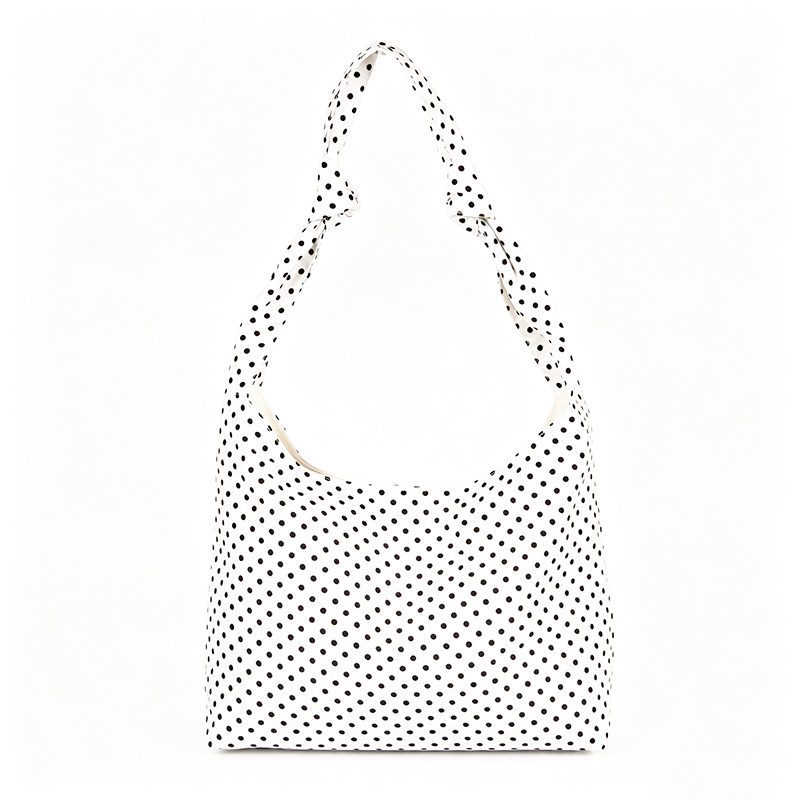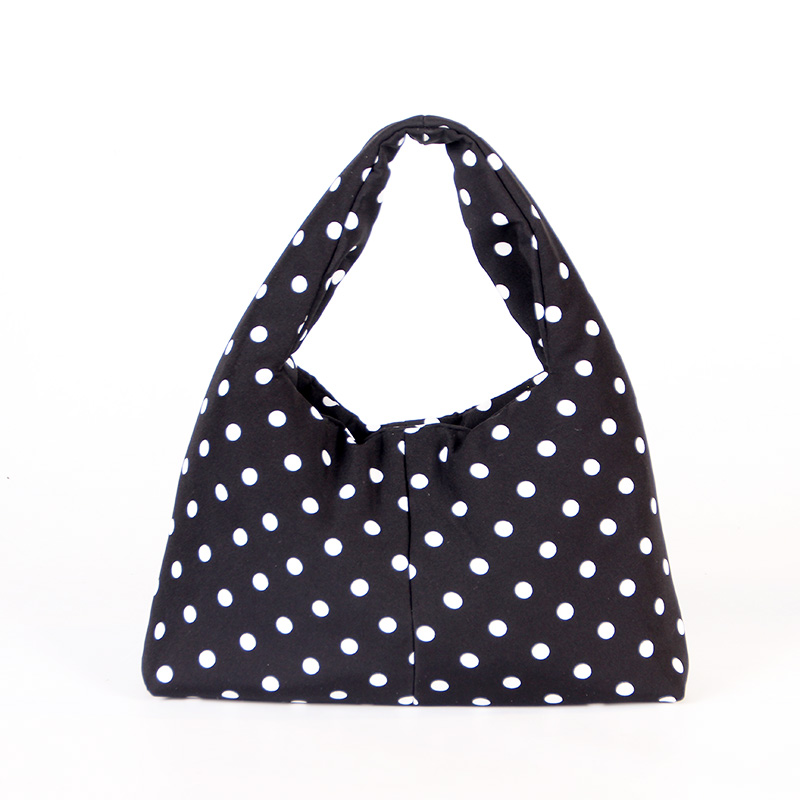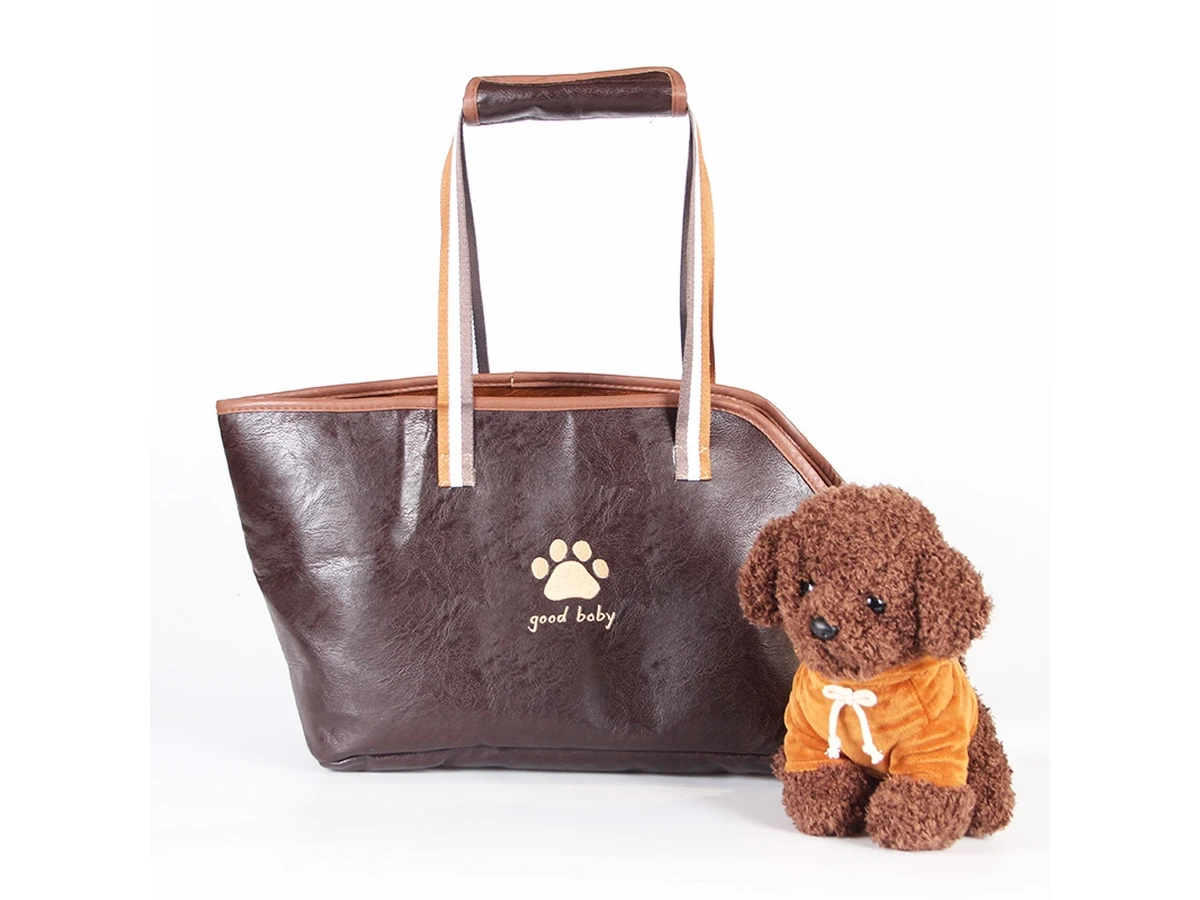
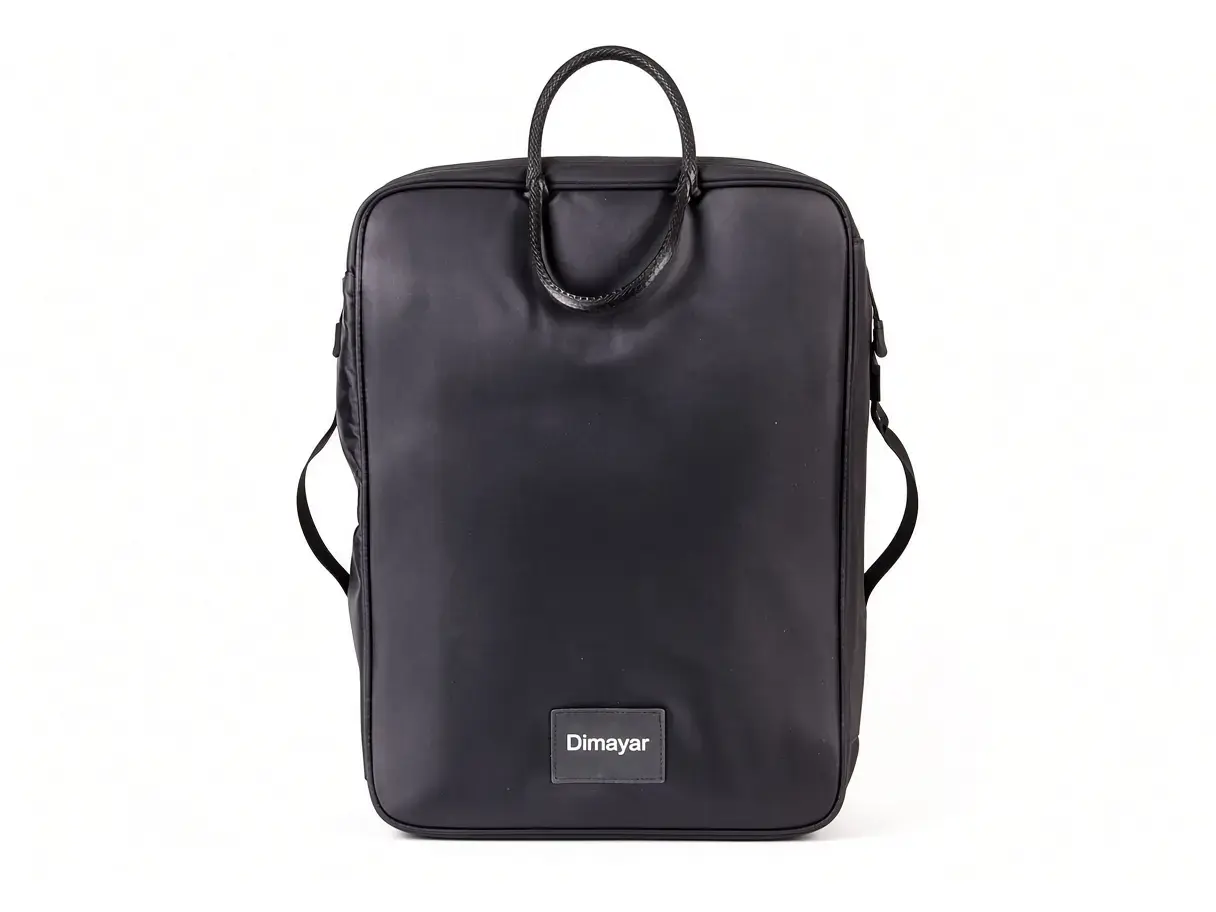
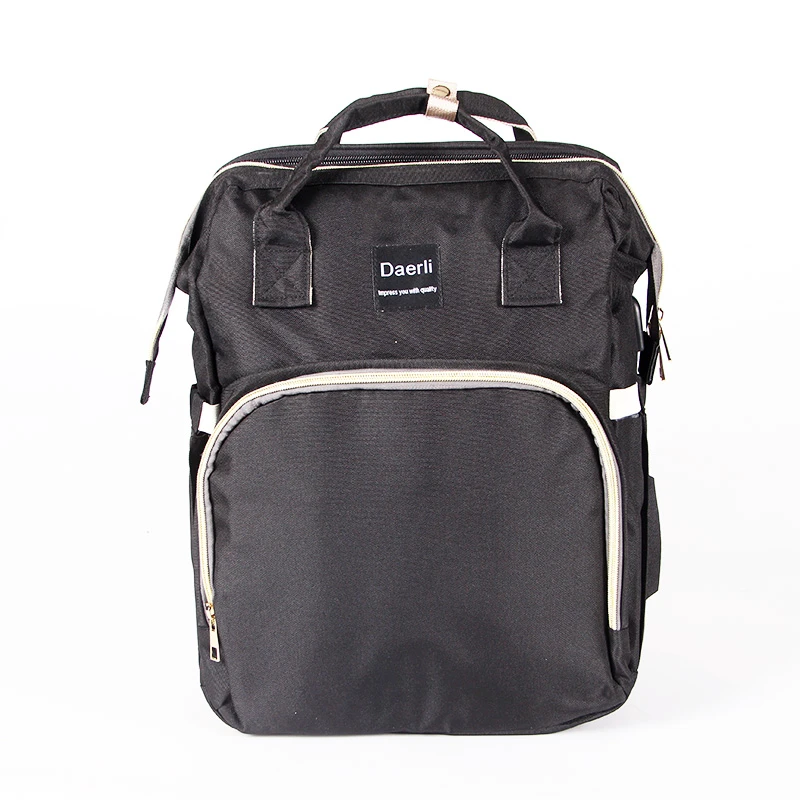
Yes, we can provide sample for checking the quality and details before bulk order.

 author
A factory visit shows what a catalog cannot. It lets brand buyers see how a supplier handles materials, cutting, stitching, semi-finished goods, QC habits, packing, and order communication on a normal production day. For buyers comparing custom bag manufacturers, this is often more useful than a polished showroom.
A European brand team recently visited Meier’s factory floor to review production details, material handling, stitching work, and order readiness in person. For brands, distributors, and sourcing teams, this kind of visit is not only a meeting. It is a supplier check. A good visit helps buyers judge whether an OEM bag manufacturer can move from sample discussion to stable bulk supply.
Meier is a bag and leather goods manufacturer based in Yiwu, China, with experience in handbags, backpacks, wallets, belts, sport bags, pet bags, and OEM/ODM customization. This article explains how brand buyers can evaluate a handbag manufacturer during a visit, check the bag manufacturing process, and prepare clearer next steps.
A factory visit works better when buyers arrive with a short checklist. Otherwise, buyers may see materials, workers, and machines, but still miss the points that affect sample approval, bulk quality, and delivery.
Before visiting custom bag manufacturers, buyers should define the product type they want to discuss. A handbag line, backpack program, wallet order, or belt collection may involve different materials, trims, packing steps, and inspection points. A clear brief helps the factory prepare relevant samples and material options.
Useful information includes product type, target market, order quantity, material direction, logo method, packaging request, and delivery timing. Buyers comparing an OEM bag manufacturer should also prepare questions about sample revisions, material sourcing, bulk order control, and inspection records.
Meier’s service system covers R&D, sourcing, and manufacturing support. That makes it a suitable page to review before discussing how design ideas, material purchasing, sampling, and factory production connect.
A reliable handbag manufacturer should be able to explain how an order moves through the factory. Buyers need clear answers: who checks materials, who confirms samples, when cutting starts, how stitching issues are corrected, how packing is checked, and how inspection results are recorded.
This is where the bag manufacturing process becomes visible. If the factory team can explain each stage in plain language and show the related area on the floor, buyers can judge whether the process is actually managed. Vague answers often mean more risk during repeat orders.
The production floor shows the habits behind the quotation. It reveals whether materials are organized, semi-finished goods are controlled, workers understand the product, and supervisors notice small defects. For many brand buyers, this part of a bag factory audit gives the clearest picture.
Bag quality can fail before stitching starts if fabric, PU, leather, lining, zipper tape, thread, or hardware is not controlled. Buyers should check how materials are stored, whether colors are separated, whether cut pieces are organized, and whether materials can be traced to current orders.
During the visit, the European brand team viewed active workshop areas where cut materials and parts were being prepared for production. This kind of scene is useful because it shows real production rhythm, not only a staged display.
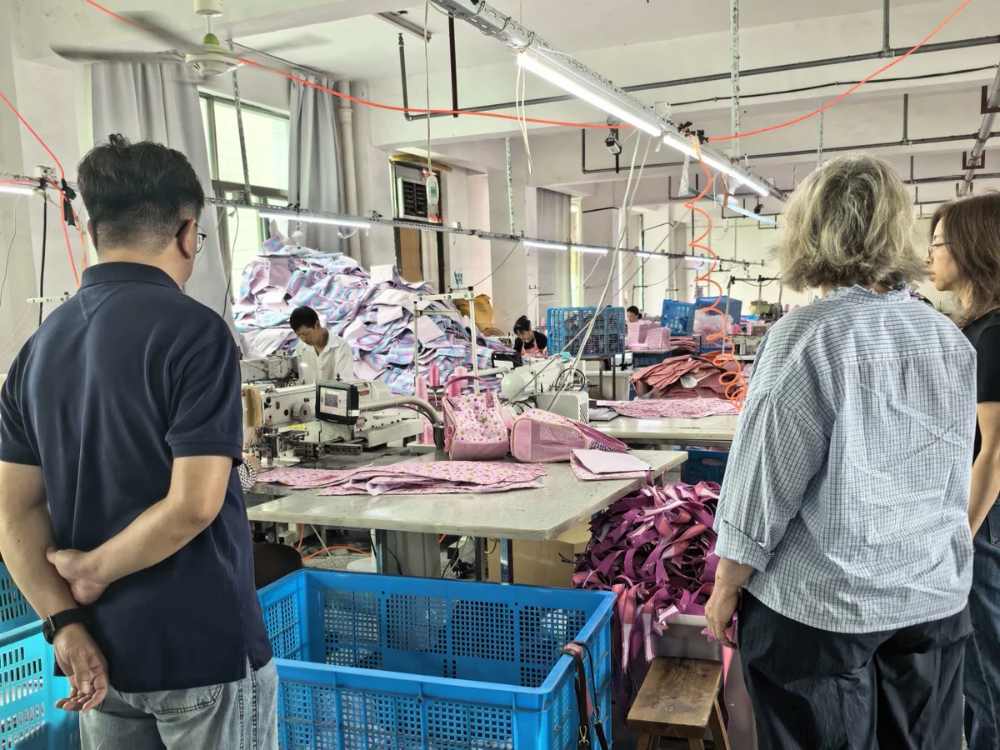
A strong OEM bag manufacturer should not treat material inspection as a formality. Material control affects color consistency, surface defects, stitching quality, and customer complaints after delivery. When evaluating custom bag manufacturers, buyers should ask how incoming materials are checked before cutting and stitching.
Cutting and stitching turn a design into a sellable product. A small cutting error can change the bag shape. Loose stitching can weaken handles, zipper ends, and seams. Uneven stitch lines may also lower the perceived value in retail photos or store displays.
A practical bag factory audit should include a close look at stitching tables, thread trimming, edge alignment, zipper installation, handle attachment, and pocket construction. Buyers should ask how supervisors check work during production, how defects are marked, and how rework is handled. Meier’s factory production process matches the normal review path: material warehouse, cutting, stitching, inspection, and packing. These are the areas buyers should connect with the approved sample.
Many suppliers can make one good sample. Fewer suppliers can repeat that sample across different materials, colors, logo methods, packaging needs, and bulk timelines. That is why sampling and customization should be discussed during the visit, not left for later emails.
A sample review should not stop at appearance. Buyers should open the bag, pull the zipper, check the lining, test the strap, feel the handle, compare the material with the approved card, and check logo placement. These simple checks often show whether a sample is ready for bulk production.
For a handbag manufacturer, sample accuracy affects the whole order. If the sample file is unclear, the bulk goods may also be unclear. Inner pocket depth, zipper direction, handle drop, logo size, and packing method should be fixed before mass production. The OEM and ODM process is relevant because brand projects usually involve design discussion, quotation, sample confirmation, bulk production, inspection, and shipment.
Customization can quickly become complicated. A buyer may request a new material, branded hardware, different lining, custom logo, revised pocket layout, or special packaging. Each change can affect cost, sample timing, inspection, and delivery.
During the visit, buyers should ask how these changes are recorded. Is there an approved sample? Is there a material card? Are logo size, hardware finish, zipper color, lining, and packing method confirmed before bulk production? For custom bag manufacturers, this is a key difference between a loose promise and a controlled order.
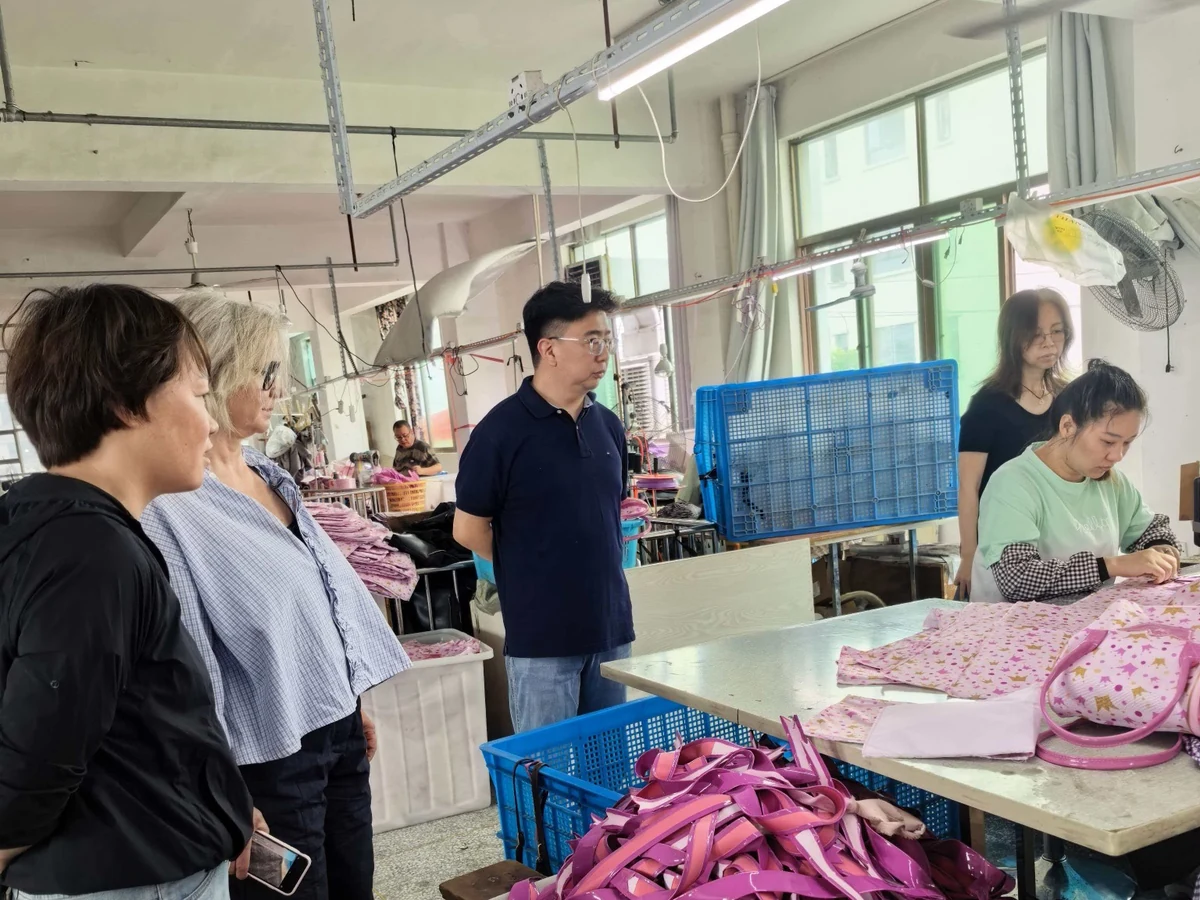
Quality control should not start after all goods are finished. By then, one defect may already have spread across many pieces. A useful factory visit checks how the supplier prevents problems during the bag manufacturing process.
Bag complaints usually come from weak handles, rough zipper movement, loose stitching, uneven lining, surface marks, wrong dimensions, poor packing shape, or logo defects. These are the areas buyers should check first.
A complete QC flow should include raw material inspection, in-process checks, finished product review, and random inspection before shipment. Meier’s quality system includes raw material checks, production-stage checks, pre-packing inspection, and final random inspection based on AQL standards. These steps help stop small workshop issues from becoming full-batch problems.
Packing can decide how the goods arrive. A well-made bag may still look poor if it is crushed, stained, folded badly, or packed without clear labels. For retail brands and distributors, packing also affects warehouse handling and store readiness.
Buyers should review PE or OPP bag options, hangtags, labels, silica gel use where needed, carton marks, and carton strength. A serious handbag manufacturer treats packing as part of shipment quality, not a last-minute task.
For one trial order, sample quality may be enough. For a long-term program, buyers also need stable capacity, skilled workers, clear planning, and compliance support. These points are easier to judge when buyers visit the site.
Capacity is not just a number. It affects repeat orders, seasonal peaks, color extensions, and urgent replenishment. Buyers should ask how production lines are arranged, how the factory handles different product types, and how it plans orders during busy periods. Meier’s factory scale and capacity information helps buyers review whether the factory can support long-term supply. Its 15,000㎡ factory and 200+ skilled workers give brand buyers a more concrete basis for discussing ongoing bag and leather goods programs.
European and North American brands often need more than samples. They may require social compliance, ethical labor review, material safety, and documentation for internal supplier approval. Meier’s factory certifications include BSCI, Sedex, and Disney FAMA. These records do not replace product checks, but they help buyers reduce early uncertainty when comparing custom bag manufacturers.
A visit should end with a clear next step. Buyers should leave with a short action list: sample changes, material options, quotation details, packing method, inspection points, and expected timeline.
After visiting an OEM bag manufacturer, buyers should organize notes into a practical RFQ. The RFQ should include product type, sample reference, material, color standard, logo method, hardware finish, lining, packaging, quantity, delivery target, inspection requirements, and compliance documents.
| Factory Visit Checkpoint | What Buyers Should Confirm |
| Material control | Fabric, PU, leather, lining, zippers, thread, and hardware consistency |
| Stitching area | Seam strength, handle attachment, zipper ends, edge alignment, thread trimming |
| Sample review | Approved sample, material card, logo position, pattern changes |
| QC process | Raw material checks, in-process inspection, finished product review, AQL random inspection |
| Packing area | PE/OPP bag, hangtag, label, carton mark, packing shape |
| Compliance | BSCI, Sedex, Disney FAMA, buyer audit documents |
| Production planning | MOQ, sample time, bulk schedule, shipment method, repeat order support |
The best follow-up is specific. Instead of saying “please quote this bag,” buyers should mention what they saw and what needs to change: handle drop, zipper color, lining material, logo size, packing option, or second sample request. Buyers can Contact Us with product references, target quantity, material direction, and sample requirements.
A factory visit is one of the most practical ways to evaluate custom bag manufacturers. It shows whether the supplier can manage materials, samples, stitching, QC, packing, compliance, and production timing in one workflow.
For brand buyers comparing an OEM bag manufacturer or handbag manufacturer, the most useful visit is not the one with the best photos. It is the one that answers real sourcing questions: Can this factory repeat the approved sample? Can it control the bag manufacturing process? Can it support audits, packaging, and repeat orders without losing detail?
Meier welcomes brand buyers to discuss product ideas, sample requirements, factory review points, and long-term supply plans. A clear visit can turn early supplier screening into a more reliable production partnership.
Q1: What should buyers check during a bag factory audit?
A1: Buyers should check material handling, cutting, stitching, zipper function, handle strength, QC records, packing, compliance documents, and production planning.
Q2: Why is a factory visit useful when choosing custom bag manufacturers?
A2: A factory visit shows real production habits, not just product photos. It helps buyers judge quality control, capacity, communication, and order readiness.
Q3: Can Meier support OEM and ODM bag projects for brand buyers?
A3: Yes. We support OEM and ODM bag projects, including design discussion, sampling, logo customization, material sourcing, bulk production, QC, packing, and shipment.
Please fill out the form below and we will get back to you as soon as possible.