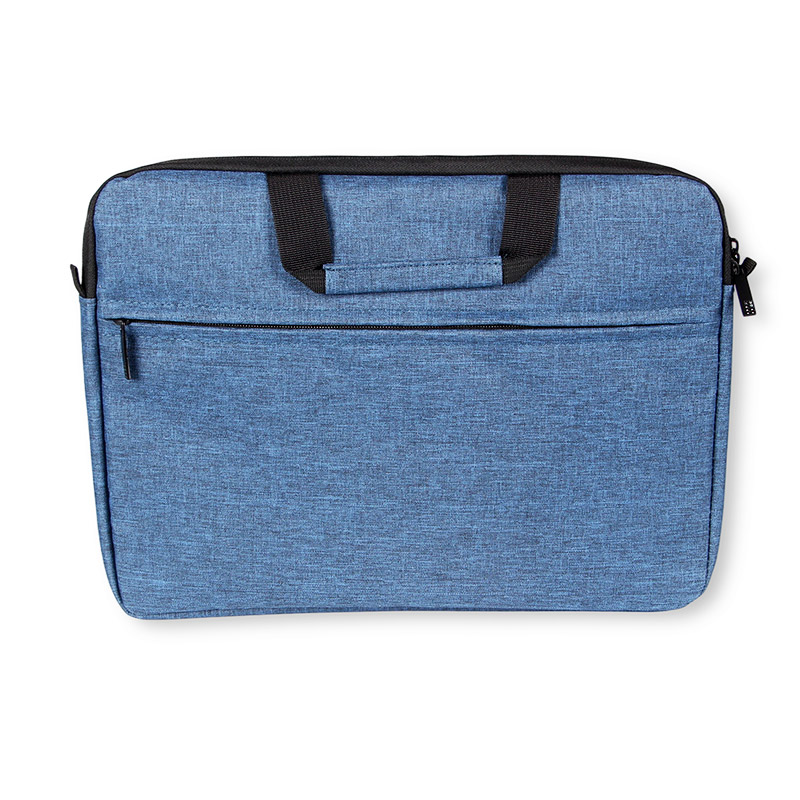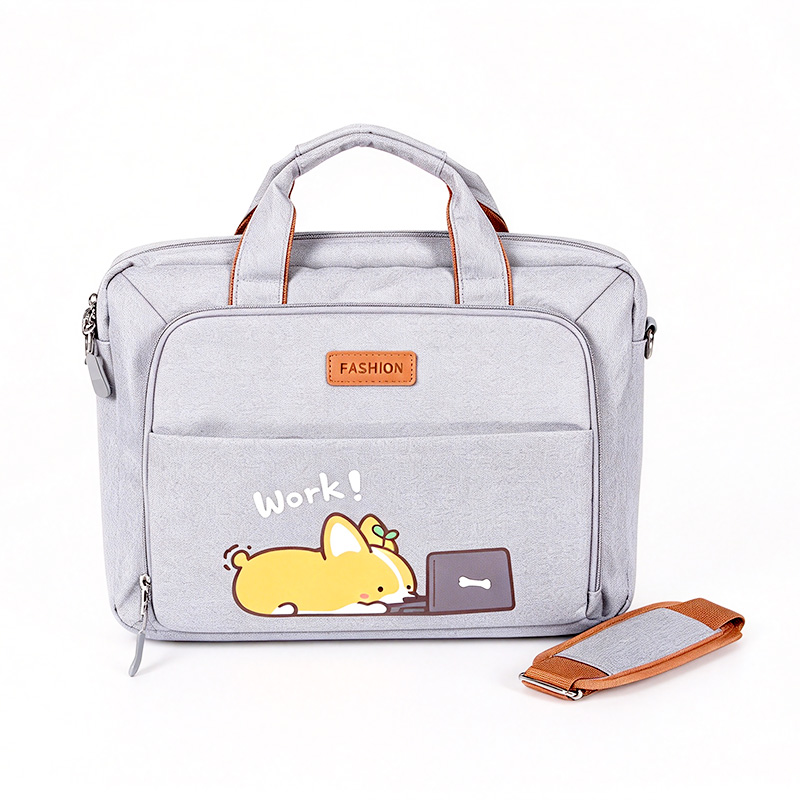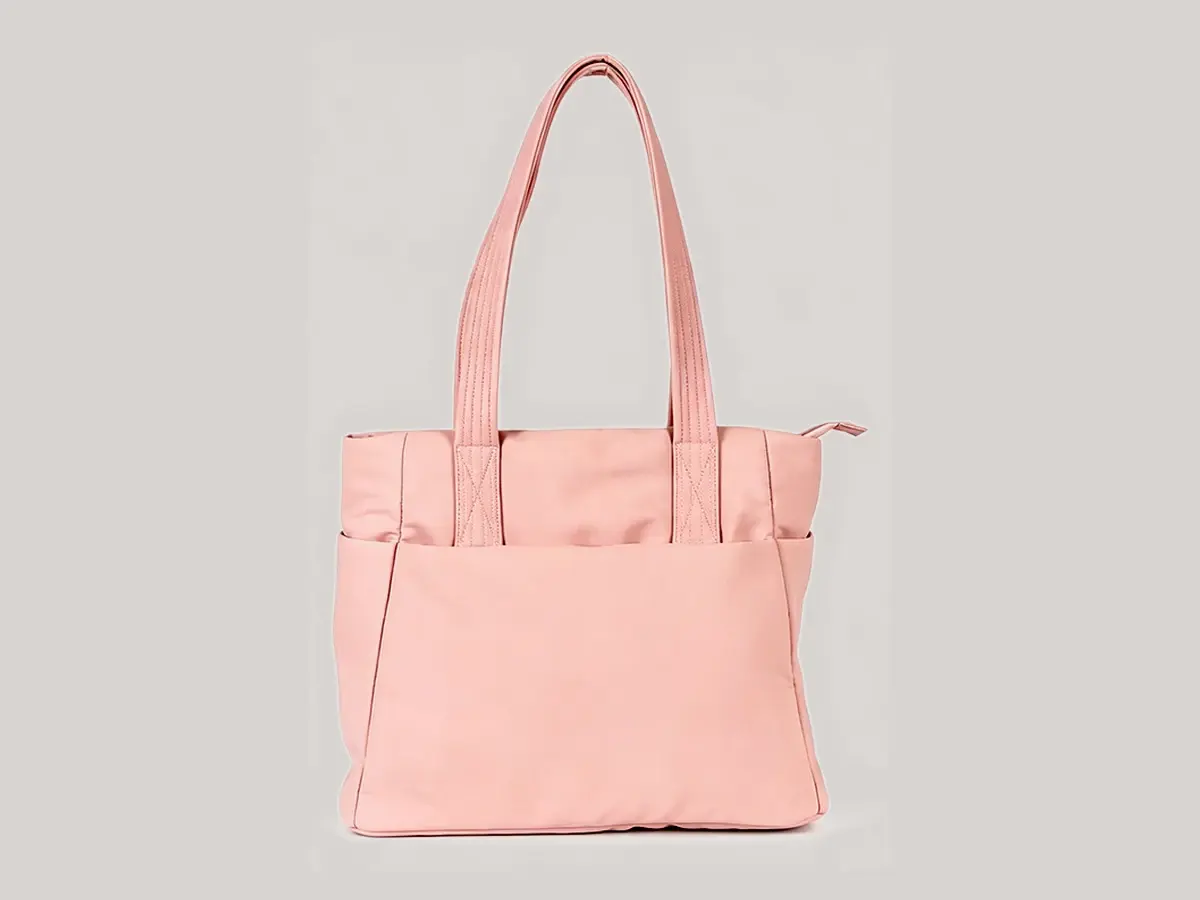
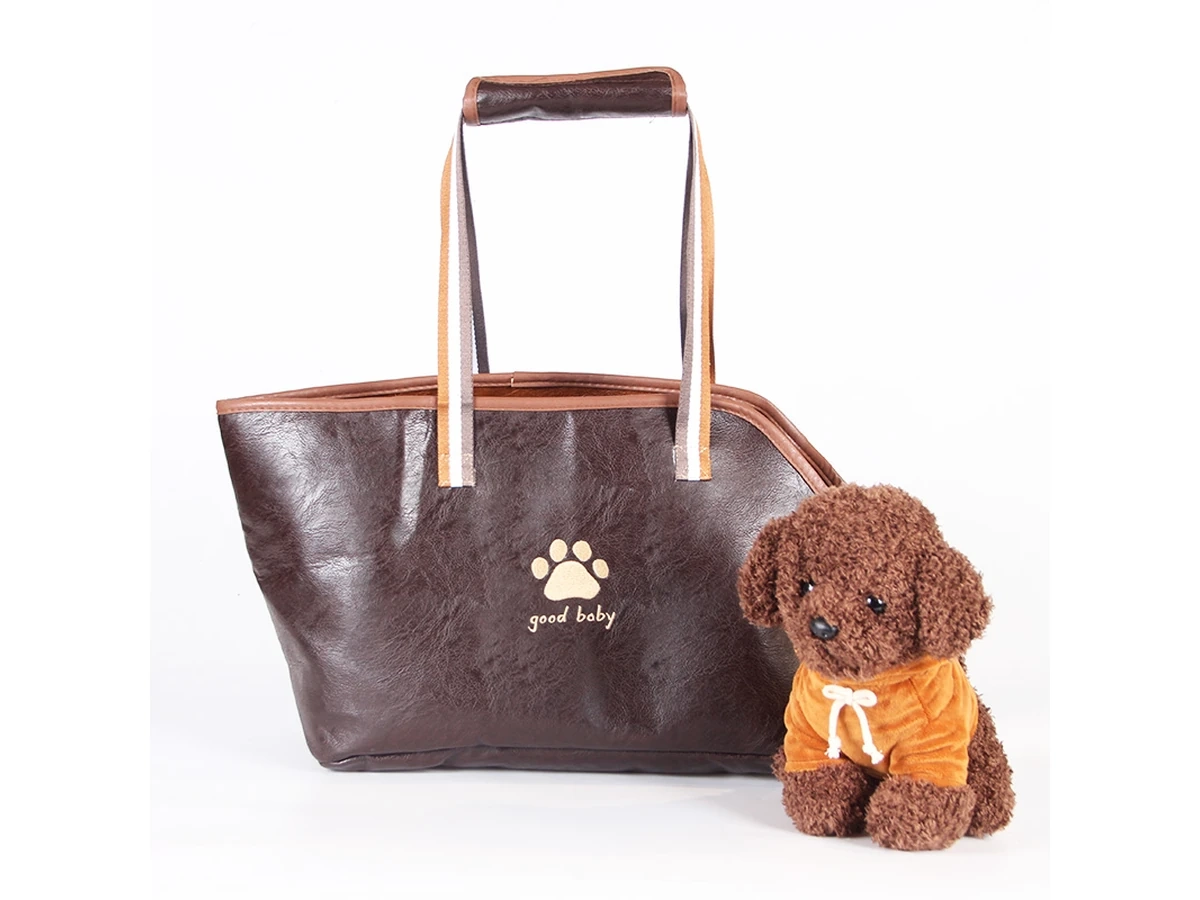
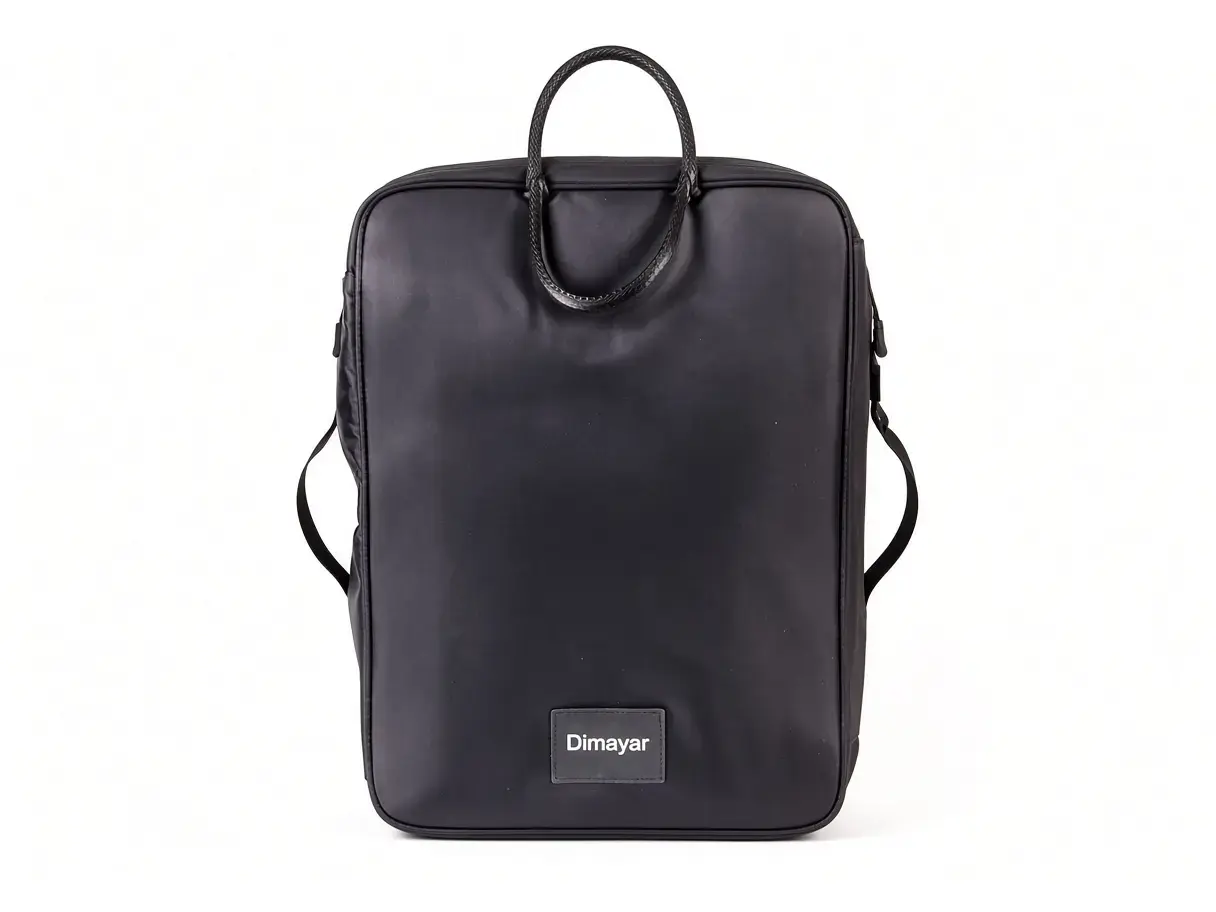
Yes, we can provide sample for checking the quality and details before bulk order.

 author
A canvas tote can be a useful brand package, but a bulk order succeeds only when the bag, the product inside it, the retail moment, and the delivery route are planned together. A tote that looks attractive in a photo may be too light for a boxed product, too large for a store shelf, or too expensive once printing, labels, and freight are added. B2B buyers should therefore define the packaging job before choosing a fabric weight or logo method.
Start with the use case. Is the tote handed out at an event, sold as a reusable retail bag, packed around a gift set, or shipped as part of an e-commerce order? Record the expected load, carry time, folded size, storage conditions, and whether the customer will reuse it. Then set the target dimensions, handle length, gusset, closure, pocket, color, and branding area. Those inputs let a supplier develop a useful sample rather than a generic canvas bag. For custom canvas tote bags, record the expected load and packaging route before approving a sample.
Meier provides OEM and ODM development for bags and fashion accessories, with an in-house design team developing approximately 200 new styles each week. A custom tote bag manufacturer can work from a sketch, reference sample, logo file, or packaging brief when the buyer has defined the commercial role of the tote.
Buyers can compare suitable constructions in the canvas tote bag range and then align artwork and sampling with the OEM and ODM development process.
Canvas is not one single material specification. Weight, weave, fiber blend, finish, coating, color, and backing change how the tote feels and performs. A lightweight unlined bag may suit a campaign handout, while a heavier canvas with a boxed base may be better for a premium gift set or a grocery-style retail program. If the sustainability message depends on fiber content or a recycled claim, put the required composition and supporting documents into the purchase file.
Inspect the fabric under the intended lighting and approve the hand feel as well as the color. Ask how the fabric will react to rubbing, moisture, folding, and printing heat. For a structured tote, check whether the material needs interlining, foam, binding, or a lining to hold the intended shape. For a soft tote, check the handle attachment and seam reinforcement because the bag may be loaded repeatedly after the first purchase.
The specification should identify the outer fabric, lining if any, thread, binding, labels, trims, and packaging. Avoid the vague phrase ‘eco canvas’ unless the supplier can state the material and the evidence available for the claim. A clear material card makes later repeat orders easier and reduces color or weight drift.
Packaging buyers often focus on the artwork and underestimate the mechanical brief. State the finished width, height, depth, handle drop, handle width, and allowable tolerance. If the tote must carry a product box, give the box dimensions and loading direction. If it will be displayed folded, record the folded size and the maximum carton quantity. A simple dimension sheet prevents the factory from interpreting a reference photo differently from the merchandising team.
Handle construction deserves a separate review. Compare stitched, cross-stitched, bartacked, wrapped, and reinforced handle attachments. Load the sample with the intended product and a reasonable safety margin, then inspect the handle join, top edge, base, side seam, and print area. Test repeated lifting rather than relying on a single static lift. The correct test method depends on the buyer’s use and any destination-market requirements, so agree the method before production. Buyers developing custom tote bags should verify handle strength with the intended product load.
For a collection with several sizes, share one master construction language. Use consistent handle proportion, seam appearance, label placement, and base treatment while allowing each size to carry its intended contents. This creates a stronger shelf identity and simplifies photography, carton marks, and replenishment records.
Canvas can support screen printing, transfer printing, embroidery, woven labels, patches, and other decoration methods. The best choice depends on the artwork, order quantity, fabric texture, color, wash expectation, and budget. A fine illustration may need a different process from a one-color wordmark. Request a strike-off or decorated sample on the actual canvas instead of approving artwork on a smooth paper proof.
Put the logo file, color references, clear space, print position, size tolerance, and approved artwork version into the tech pack. If the tote uses several colors, approve them in the same lighting and on the intended fabric. Check the inside as well as the outside: labels, care marks, country-of-origin wording, barcode stickers, and packaging copy can affect the final look and compliance plan.
Keep sustainability language factual. A reusable tote can support a packaging-reduction strategy, but its benefit depends on material choice, useful life, reuse frequency, transport, and end-of-life handling. Buyers should avoid claims that are broader than the material documents or the agreed product story.
A B2B canvas tote quotation should separate the bag construction from the commercial variables. Ask for the unit price by quantity, fabric and trim assumptions, printing or embroidery cost, sample charge, packaging, carton quantity, freight basis, and any tooling or plate cost. If several colors or sizes are planned, request the minimum order for each design and color rather than assuming one total MOQ covers every SKU. For canvas tote bags bulk orders, confirm the minimum quantity by design and color rather than relying on one combined total.
Meier combines raw-material sourcing, dedicated production lines, sample development, OEM and ODM support, and quality checks from incoming material through packing. Its 15,000-square-meter factory and workforce of more than 200 people can support a collection discussion, but the buyer should still confirm production capacity, sample timing, and the shipment window for the actual order.
Review the current Meier factory profile when checking capacity, sampling support, and audit scope.
A practical approval sequence is: brief and artwork, material and color swatches, first sample, comments, revised sample where required, golden sample, pre-production meeting, in-line checks, pre-packing inspection, final random inspection, and shipment release. Keeping those gates visible reduces the risk of paying for a bulk order before the packaging experience is proven.
Quality control should check more than appearance. Inspect fabric weight and composition, color consistency, print adhesion, stitch density, handle attachment, dimensions, odor, loose threads, and carton packing. For repeat orders, retain a sample from each approved shipment and compare it with the golden sample. If a third-party inspection is used, define the sampling level and the defect categories before the inspection date.
Meier can support raw-material inspection, in-process checks, finished-product defect checks, functional testing, and final random audits based on AQL practice. BSCI, Sedex, and Disney FAMA audits, together with testing support from SGS, BV, ITS, and MTS, may be relevant to different programmes. Request current documents that match the specific canvas, trims, printing, and destination market.
Compliance evidence should be connected to the actual SKU. A social audit does not prove fiber composition, and a material report does not prove stitching or handle strength. Keep each claim beside the document or test record that supports it, then make sure the marketing copy uses the same scope.

Before release, check the following items:
For OEM or ODM projects, the Meier contact team can review the design and packaging brief. The final supplier comparison should be based on the complete delivered program, not only the lowest unit price. A well-specified canvas tote can make the package easier to carry, easier to reuse, and easier for a brand to manage at scale. When custom canvas tote bags move into production, the tote bag manufacturer should reconfirm canvas tote bags bulk quantities and approve any revision to custom tote bags by SKU.
For repeat programs, preserve the approved material card, artwork file, golden sample, inspection record, and shipment reference together. When a buyer changes a color, handle length, or packaging component, mark the revision and confirm whether the change affects testing, cost, MOQ, or delivery. This simple version control prevents a sustainable packaging story from being undermined by an untracked production change.
Q1: What canvas weight is best for branded packaging totes?
A1: There is no universal best weight. Choose it from the product load, reuse expectation, handle design, desired hand feel, and target cost. Approve the finished sample with the intended contents rather than selecting weight by name alone.
Q2: Can a canvas tote be used as sustainable packaging?
A2: It can support a sustainability strategy when the material, useful life, reuse frequency, transport, and end-of-life plan make sense. Keep claims tied to verified composition and avoid broad environmental statements that the product evidence cannot support.
Q3: What should a B2B buyer include in a canvas tote RFQ?
A3: Include the use case, contents, dimensions, load, fabric and trim requirements, artwork, quantity by SKU, packaging, destination, inspection plan, testing or audit needs, target timing, and whether the program is OEM, ODM, or a repeat order.
Please fill out the form below and we will get back to you as soon as possible.