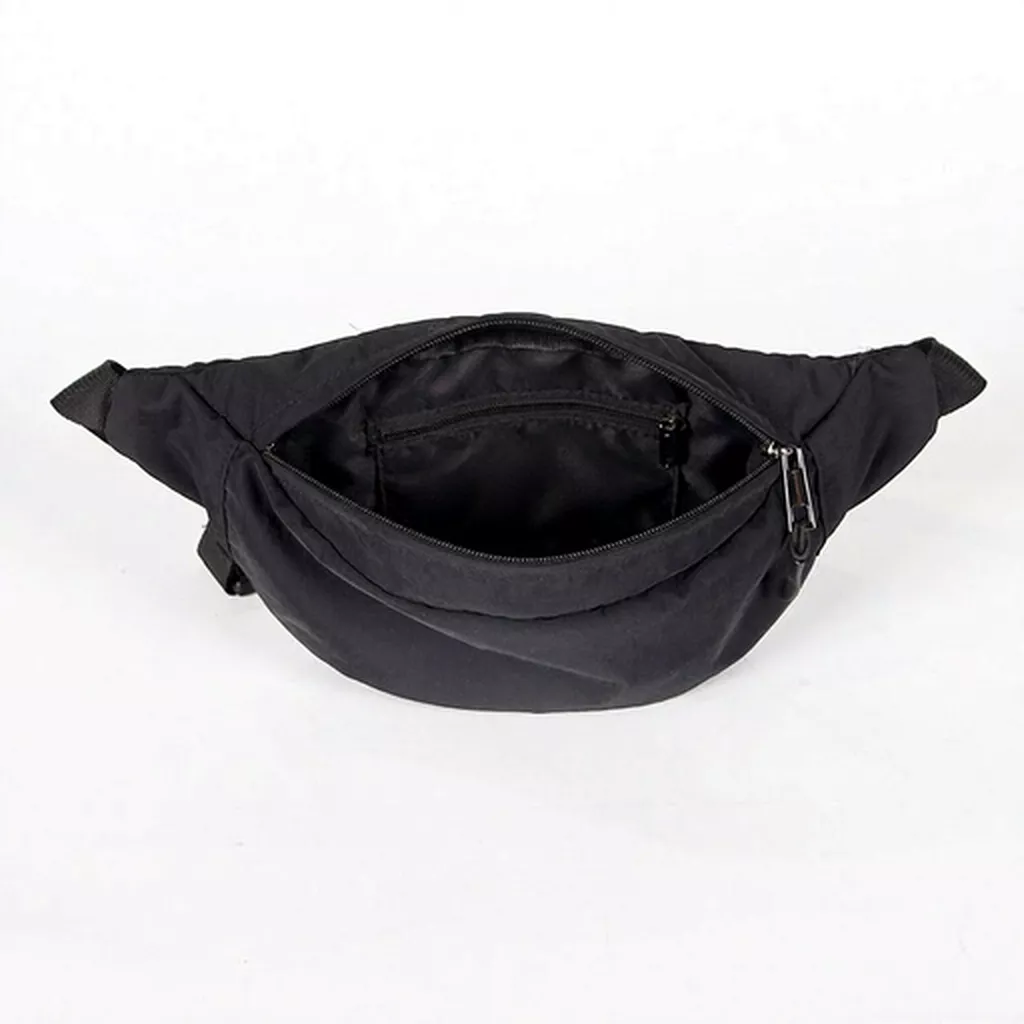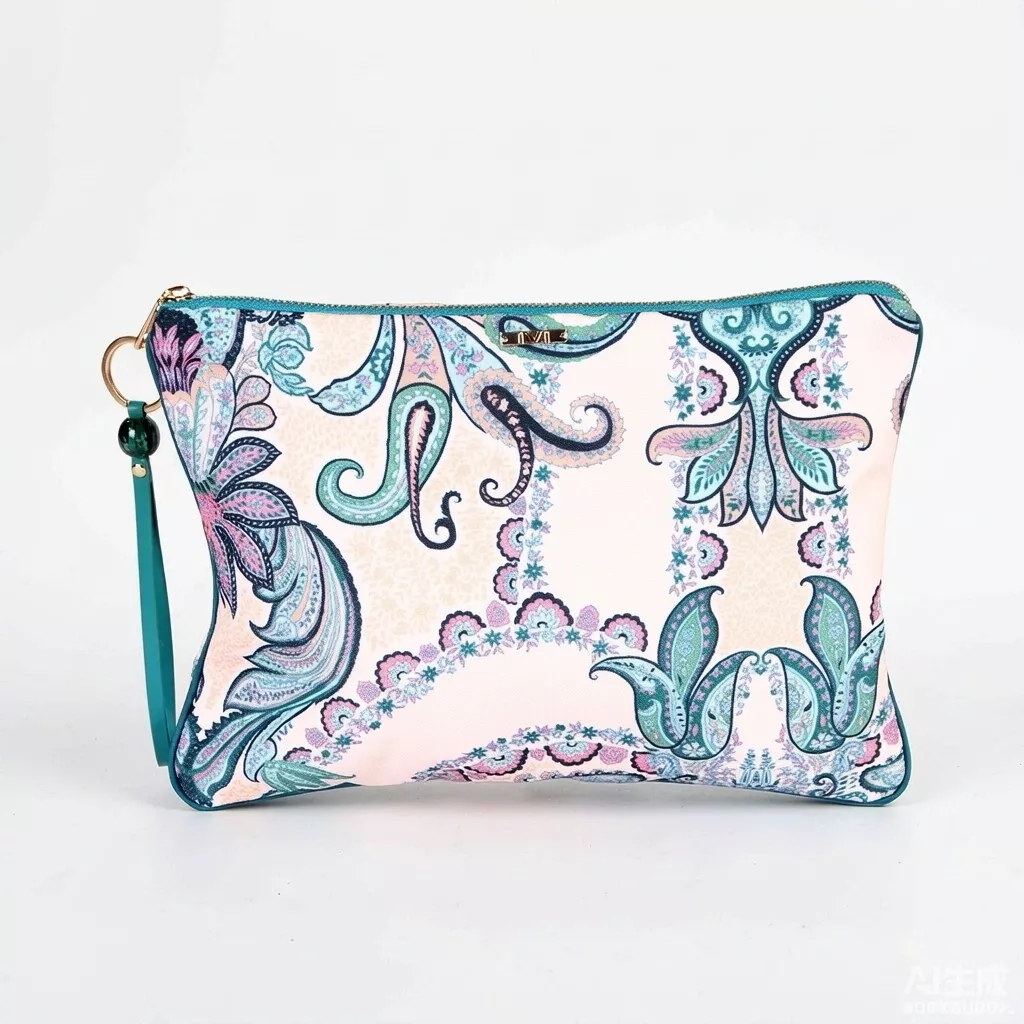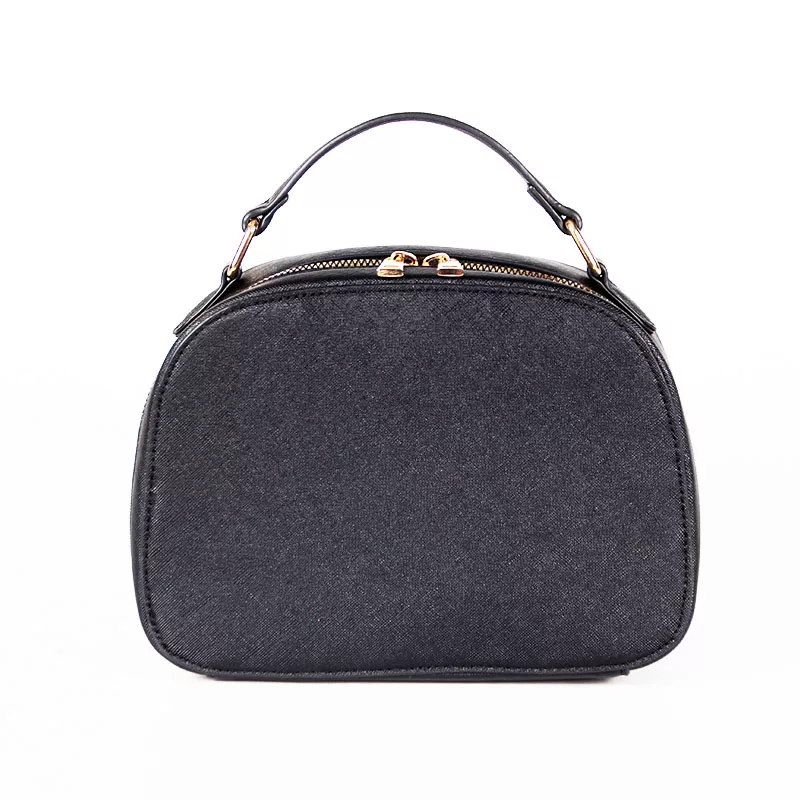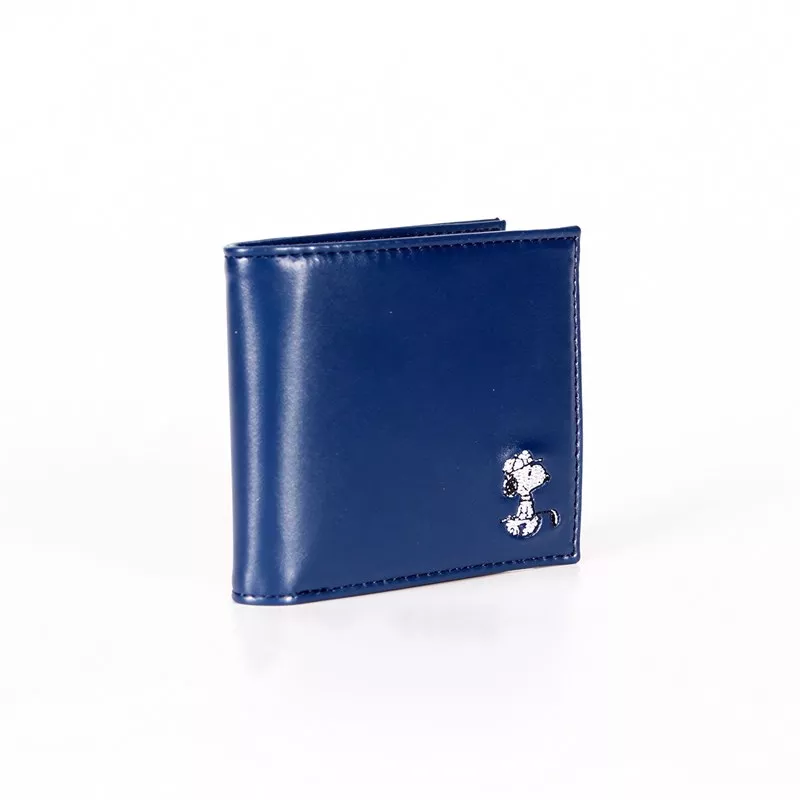
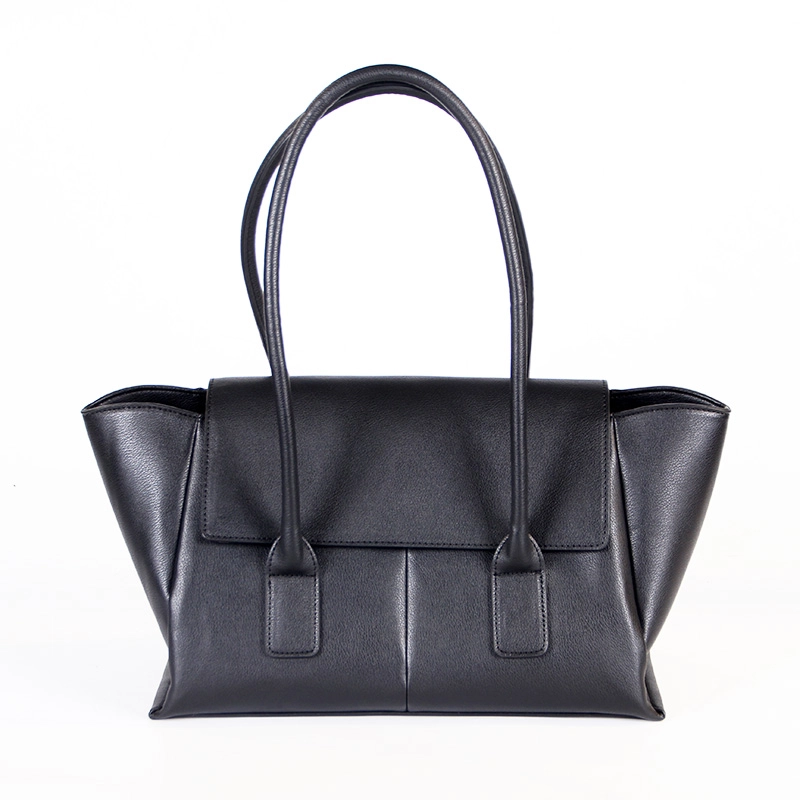
はい、大量注文の前に品質や詳細をご確認いただくためのサンプルをご提供できます。

 著者
A prototype cosmetic bag often looks absolutely perfect while sitting flat on a corporate office desk. However, this exact same item might behave quite differently once the initial bulk cartons finally arrive at the warehouse. For example, the zipper track might slide with noticeable friction instead of gliding seamlessly. The interior lining fabric could feel surprisingly flimsy to the touch. Sometimes, an uneven seam ends up pulling the top opening completely out of its intended shape. Many purchasing buyers simply sign off on the exterior aesthetic look. Unfortunately, this habit leaves highly critical manufacturing choices completely unresolved and open to factory interpretation. Here at Meier, we proudly manufacture various bags along with premium fashion accessories. We carefully outline our quality control steps at multiple phases. We check everything during the raw material sourcing phase. We also run strict mid-production audits. Finally, we execute comprehensive finished-goods inspections. A professional cosmetic bag supplier can implement this exact workflow much more reliably. But this structured process only works when the buying brand provides a highly detailed reference sample. The factory production team needs to know exactly which zipper type was chosen. They must know the specific lining fabric, the exact dimensional measurements, and the final surface finish that received the actual approval.
Let us look at the top opening first. Several distinct components matter immensely here. You have the total zipper length. There is the metal or plastic slider. You must consider the fabric tape shade. Thread stitching patterns and the terminal end stops are also crucial parts of the puzzle. Together, these small but mighty elements decide if the pouch opens properly. They also dictate how that top opening rests when the bag is fully stuffed with products. You should always clarify the exact hardware specs used on the prototype. Furthermore, you need to ask about factory fallback plans. Will the manufacturer suggest a suitable replacement part if the original component becomes suddenly unavailable?
After checking the top closure, look closely at the interior. How much surface area does the inner fabric cover? Are the internal seams cleanly bound and hidden? Do the inner divider pockets function well for organizing? These hidden traits heavily impact the daily use of the item. They change how easily a consumer can wash out makeup spills. They affect how well users can see their items inside. They also dictate the physical separation of individual beauty products. Sometimes, a client specifically wants a simple wipe-to-clean interior surface. In this case, you must name the exact barrier fabric. You also need to explicitly state the specific washing expectations. Do not just rely on a loose, casual phrase like “waterproof lining.” You must rigorously verify the real-world durability standards. Do this critical step long before you write any bold performance claims in your product marketing copy.
You should always pack the prototype with typical everyday items. Once it is completely full, zip it shut tightly. Then, pull it open again. Do this repetitive motion several times in a row. Watch closely to see if the bottom or top corners snag abruptly. Notice if the metal slider bumps roughly into the packed makeup items. Look to see if the loose inner lining fabric bunches up and gets trapped inside the sharp zipper teeth. A completely empty, flattened prototype will often successfully hide these annoying structural flaws. Keep in mind that this specific test packing is just a helpful design evaluation tool. It is absolutely not an official, certified volume capacity claim.
Next, you must closely measure the final physical dimensions against your planned product mix. A small zipper pouch meant for a purse is one specific thing. A large weekend travel kit is another distinct format. A bathroom countertop organizer is yet another unique layout. All three of these distinct styles might happily share the broad “cosmetic bag” label. However, they each demand very different top opening widths. They also require highly unique pocket layouts on the inside. You must actively use the actual target makeup contents to evaluate daily usability. Never just pick random sizing measurements based solely on a pretty online product photo.
You need to thoroughly document every single visible and working surface in your master approval file. Write down the primary exterior fabric family type. Include the specific dye shade or the exact visual swatch reference. Record the inner lining fabric, the zipper track tape, and the metal slider coating finish. Do not forget the sewing thread type, the brand label style, and the chosen logo printing method. Sometimes, different bag parts rely on completely separate color reference codes. When this complex situation happens, list each one separately on its own distinct line. Never blindly imply that a single color swatch strictly controls the tint of the entire finished bag.
At Meier, our extensive cosmetic bag range features a wide variety of pouch shapes and fabric blends. If you are launching a highly customized bespoke program, you must demand the precise structural layout planned for that specific bulk order. General website category pages are wonderful tools for initial product inspiration. However, they absolutely do not lock down the actual production materials or the acceptable error margins for a brand-new, unverified custom design layout.
Always securely attach a firm sign-off date to your files. Also, assign a clear version identifier number to all prototype photographs. Suppose a newer prototype suddenly swaps out the zipper or tweaks the inner lining. In that specific scenario, you must update the master version record immediately. Then, force the responsible purchasing buyer to explicitly accept or reject that specific alteration. Sometimes, a manager quickly writes “approved with comments.” That kind of vague feedback is quite dangerous. The document must clearly state if those extra comments represent strict factory production requirements or just loose, future design preferences.
You should thoughtfully set up a concise auditing routine. This inspection plan must link directly to the signed-off master sample. First, you have the inbound raw materials audit. This initial step verifies the batch codes and confirms the visible surface conditions on the fabric rolls. Next comes the mid-assembly audit phase. This crucial step spots crooked stitch placement. It catches twisted zipper alignments. It also checks how securely the lining attachment is sewn. Finding assembly mistakes here is vital because fast correction remains highly practical. Lastly, you execute the finished-product audits. This final step reviews the smoothness of the opening operation. It verifies the final physical dimensions, the overall aesthetic appearance, and the retail boxing quality.
You must choose a highly consistent, easy-to-repeat measuring tactic for each individual feature. A brand buyer and a factory worker might measure the exact same pouch from totally different starting angles. This disconnect frequently happens unless the visual reference guide is clearly shown. You need to definitively declare if the item should be measured pressed flat against a table. You must state if the top zipper should be pulled shut or left wide open during the test. Clearly map out exactly where the side width and the bottom gusset depth are actually calculated. A basic, simple annotated drawing prevents the written number from being interpreted differently at various production stages.
You must logically divide minor aesthetic flaws from major functional failures. A tiny visual variation in thread dye might be perfectly acceptable. However, a heavily misaligned zipper track is completely useless. You should carefully set your quality standards based on the individual component and its actual daily purpose. When checking dye accuracy, place the master agreed swatch and the fresh bulk item closely together. Look at them side-by-side under a steady, consistent lighting source. When testing the mechanical function, vigorously drag the pull slider through the entire usable opening space. Diligently write down any spots that show snagging, teeth separation, or other clearly observable mechanical issues.
Never expect one solitary final inspector to magically find every single factory process problem after the entire assembly is finished. A subtle issue with the fabric zipper tape shade is incredibly easy to address at the initial material receipt dock. A badly sewn lining seam that constantly becomes trapped is best detected while the fabric still sits under the sewing machine needle. As a trusted manufacturing partner, Meier firmly notes the high value of a layered, multi-stage quality approach. When the buyer defines specific warning checkpoints, it effectively helps direct the factory’s attention toward the biggest hidden risks in that exact specific product.

The final factory sign-off sheet needs to clearly explain how the empty bags get folded or structurally protected. A perfectly sewn finished pouch can easily arrive at the warehouse full of ugly creases or deep surface scratches. This tragic damage happens when the tight packing process harshly compresses a soft, decorative exterior surface against heavy metal hardware. You must meticulously review the bulk production packing method alongside the master prototype. Compare it thoroughly with the intended retail store wrapping. This check is highly critical, especially when a finished product will eventually be beautifully presented in a rigid display box or a curated holiday gift set.
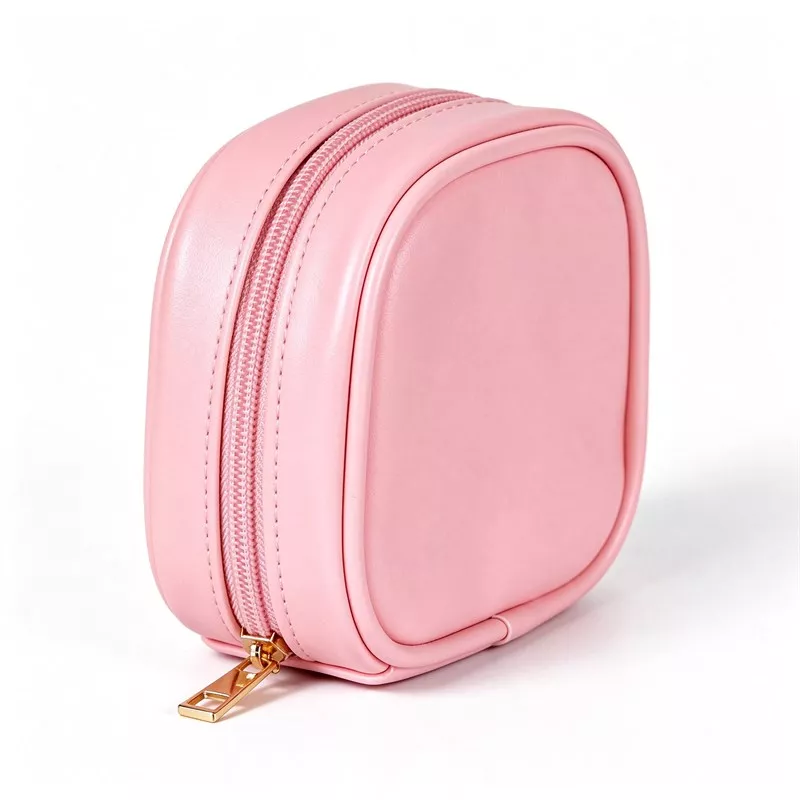
Looking at our online presence, Meier’s product page showcases multiple items. We openly list a heavy-duty waterproof PU-leather pouch. We also show a standard, ready-to-ship stock cosmetic bag example. You should only use that specific waterproof PU pouch listing as a baseline style reference if it truly aligns perfectly with your brand’s summary document. If you are building a completely new, original private-label item, do not rely on standard web pages. Instead, directly and firmly confirm your chosen physical sample and its matching protective packaging.
Before you hit the button on a major replenishment reorder, pause for a crucial moment. You must cross-check your official purchase specification against the master approved sample. You also need to verify the factory’s current raw material availability. Firmly confirm whether the original zipper, the inner lining, and the outer shell material remain available. Check if the dye color and the exact logo printing methods are completely unchanged. Perhaps the product design recently evolved into a totally new revision. If so, you must ensure that your graphic artwork files, your auditing inspection notes, and your online product listings all strictly use that exact updated version.
Here at マイヤー, we proudly state that we maintain specialized, dedicated production lines strictly for our core product categories. We currently employ a skilled workforce of more than 200 highly trained workers. These incredibly strong manufacturing capabilities can easily support massive, ongoing repeat supply contracts. However, even the very best factory still absolutely requires a rock-solid, stable technical specification and a clean acceptance record. When you ask for a financial quotation, tie it directly against a strictly defined prototype version. Do not ever use a lazy, dangerously broad description such as “just make it the exact same as last season.”
In the end, producing reliable, high-quality custom makeup bags takes a tremendous amount of careful preparation. The journey strictly begins with a detailed prototype sample that thoroughly describes the actual, living product. It must be vastly more than just a pretty outer silhouette shape. You must rigidly record the exact zipper model, the specific inner lining, and all raw material references. After doing that critical step, you have to perfectly align your factory inspections and your boxing methods to that exact same finalized version. We strongly encourage you to contact a professional cosmetic bag supplier to fully discuss your upcoming project. マイヤーに連絡する today to passionately talk about your specific target daily use, your master reference samples, and your planned inventory assortment. Alternatively, you can simply shoot a quick email over to the Meier support team. Please make sure you include your specific style reference codes so we can promptly start building your next great product together.
A: We frequently see this frustrating situation occur when purchasing teams only approve the basic outward aesthetic shape. If you fail to lock down the exact internal hardware specs, major inconsistencies will quickly arise. Without a strict technical contract detailing the zipper tape shade, the metal slider finish, or the interior fabric weight, a careless factory might simply grab whatever cheap alternative sits nearby on the warehouse floor. At Meier, our dedicated teams actively prevent these nasty production surprises. We meticulously document every single raw material reference before we ever push the green button on your bulk order.
A: Global supply chain hiccups do occasionally happen, but they should never catch your brand off guard. If an original component unexpectedly runs out of stock, our cosmetic bag supplier team immediately pauses the entire sewing line. We then rapidly hunt down a highly suitable replacement part. However, we will always present you with this new physical piece first, rather than guessing. We actively explain any potential impact on the final product durability or overall cost. We never silently swap out critical parts behind your back. You always hold the ultimate authority to either explicitly approve or totally reject the sudden material substitution.
A: We strongly advise packing your newest prototype with the actual retail products it will eventually carry. Stuff the interior full of heavy lotion bottles, sharp eyeliner pencils, or bulky makeup brushes. Then, aggressively zip and unzip the top track multiple times in a row. Watch closely to ensure the loose inner lining doesn’t accidentally catch inside the sharp zipper teeth. An empty, totally flat pouch easily hides terrible structural flaws from the naked eye. By forcefully testing the physical boundaries with real everyday items, you actively help us set much tighter, more realistic quality control tolerances for your upcoming shipment.
下記のフォームにご記入ください。追って担当者よりご連絡させていただきます。