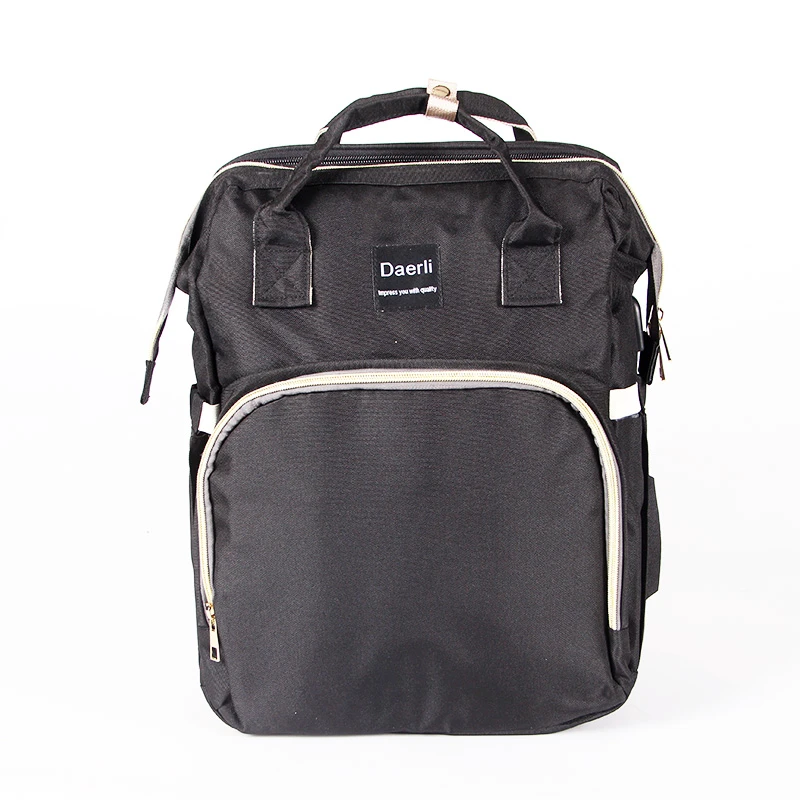
Sim, podemos fornecer uma amostra para que você verifique a qualidade e os detalhes antes de fazer um pedido em grande quantidade.

 autor
autor
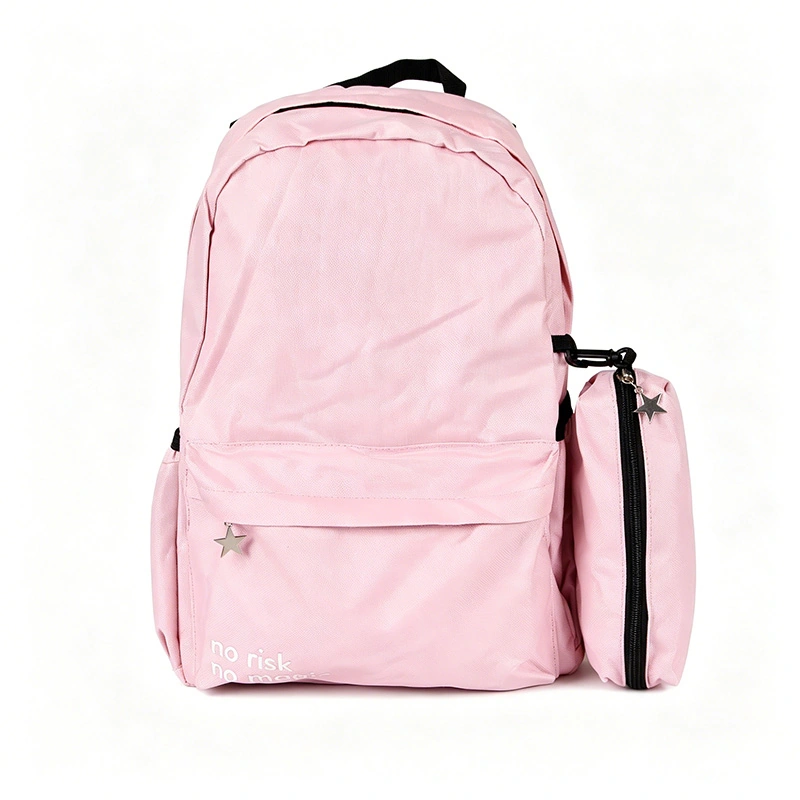
As compras para a volta às aulas começam mais cedo em 2026, mas os consumidores também estão se tornando mais seletivos em relação ao que compram primeiro. Para os varejistas, isso cria uma margem de erro menor. Uma mochila que parece atraente online, mas deixa a desejar em termos de capacidade, conforto ou praticidade para o dia a dia, pode rapidamente transformar uma venda sazonal em uma devolução. Portanto, o ajuste, a funcionalidade e o valor percebido do produto precisam ser verificados antes das semanas mais movimentadas da temporada.
As devoluções já são um custo normal na venda de bolsas online, especialmente quando os clientes não conseguem avaliar o tamanho, o conforto, a textura do material ou a organização interna antes da compra. Os varejistas não podem eliminar todas as devoluções, mas podem reduzir aquelas causadas por incompatibilidades evitáveis entre o produto e o cliente. Amostras melhores, especificações mais claras, apresentação mais realista do produto e um controle de qualidade mais rigoroso ajudam a diminuir a diferença entre o que os compradores esperam e o que recebem em casa.
Algumas devoluções são inevitáveis: a cor não agrada ao comprador ou outro estilo acaba sendo o preferido. As devoluções evitáveis tendem a ser mais concretas. Uma mochila escolar pode parecer espaçosa em uma foto de estúdio, mas ter uma abertura que dificulta o uso de uma pasta comum. Pode ter alças acolchoadas, mas incomodar os ombros quando livros, um laptop, uma garrafa e o lanche estão dentro.
As dimensões contam apenas parte da história. Antes de aprovar uma mochila escolar, encha-a com os itens que a criança normalmente usa nessa faixa etária: livros ou pastas, laptop ou tablet, carregador, material escolar, garrafa de água e objetos pessoais. Depois, feche o zíper, levante a mochila e coloque-a nas costas. Se o compartimento principal estiver apertado, a mochila cair para a frente ou as alças não estiverem bem ajustadas, esse teste já terá respondido a uma pergunta importante antes que o pedido fique caro.
Lojistas que constroem mais de um modelo de escola podem usar o modelo de Meier. coleção de mochilas Como ponto de partida para estruturas utilizadas em diversas necessidades, como na escola, no trajeto casa-trabalho, em viagens e para transportar laptops, a variedade facilita a comparação da funcionalidade de cada layout antes de solicitar adaptações a um fornecedor.
Uma sacola pode corresponder ao desenho e ainda assim decepcionar o comprador se a imagem contar uma história mais favorável. Fotografias com excesso de produto podem disfarçar uma abertura estreita. Uma amostra cuidadosamente moldada pode fazer com que uma sacola macia pareça mais estruturada do que a que chega após o transporte. Use fotos da estrutura pretendida para a produção e decida antes do lançamento se o enchimento com papel ou outro método de suporte é necessário para proteger o formato durante o transporte.
A amostra deve ser aprovada pelo uso, não apenas pela aparência. Considere o lançamento de uma mochila escolar com 2.000 unidades: a primeira amostra tem a cor certa e o logotipo centralizado, mas o zíper emperra em um canto depois de colocar dois livros e um laptop. O painel frontal se dobra para dentro. As alças parecem estreitas. Nada disso é tão evidente em uma mesa de amostras; tudo isso pode se transformar em uma reclamação do cliente.
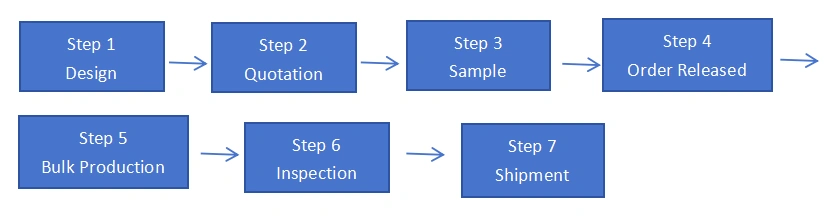
Meier's Serviços OEM e ODM Abrange todo o processo, desde a discussão do design e a criação de amostras até a personalização do logotipo e do hardware, a produção em massa, a inspeção e o planejamento do envio. Oferece ao comprador um espaço para esclarecer dúvidas funcionais antes que elas se repitam na produção em larga escala.
Um registro de aprovação precisa de mais do que apenas comprimento, largura e altura. Inclua a largura e a amplitude de ajuste da alça, a altura da alça de mão, a abertura do zíper, o tamanho do compartimento para laptop, a localização dos bolsos, a cor do forro, o acabamento dos metais, o método de aplicação do logotipo e como a bolsa é embalada. Esses detalhes também são úteis em um pedido subsequente. Uma segunda cor não deve chegar sem aviso prévio com uma alça, um puxador de zíper ou um formato diferentes.
Não existe um material universalmente recomendado para mochilas escolares. Poliéster e nylon costumam ser adequados para mochilas mais leves e para o dia a dia; o PU pode ser mais indicado para mochilas personalizadas com foco em estilo. O importante é se o material escolhido, o forro, o reforço e os acessórios combinam bem, levando em consideração a faixa etária do público-alvo, o peso esperado, a exposição às intempéries e o posicionamento no mercado.
Um pequeno defeito pode mudar a percepção do cliente sobre a bolsa inteira, muito antes de qualquer coisa quebrar. Pontas de linha soltas, uma junção da alça torcida, ferragens ásperas ou um forro que se prende ao zíper: tudo isso transmite a sensação de um produto menos bem-feito. Confirme a cor, a textura, a espessura, o forro, o reforço e as ferragens em conjunto, pois os compradores os percebem como um todo.
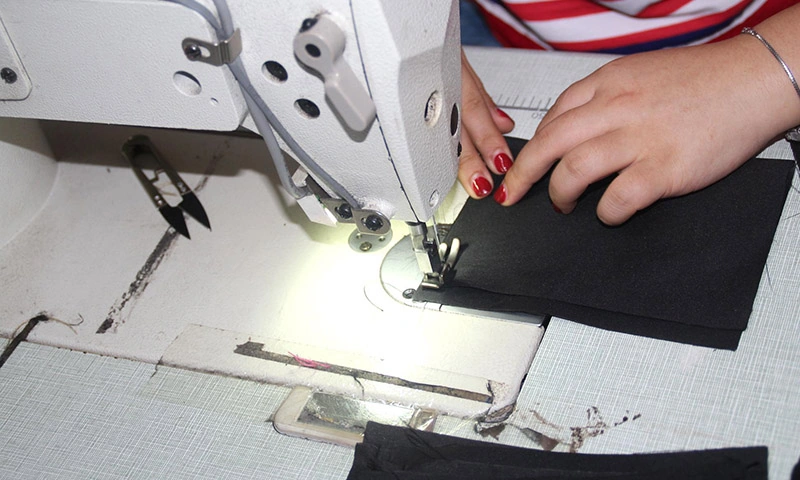
O fluxo de produção da Meier inclui verificação de materiais, corte, costura, montagem, inspeção do produto acabado, embalagem e inspeção aleatória final. Para um comprador, a tarefa prática é especificar quais pontos de verificação se aplicam ao SKU, em vez de presumir que todas as mochilas escolares precisam da mesma revisão.
Uma mochila escolar exige uma avaliação diferente de uma pequena bolsa de moda. As cargas são mais pesadas, o uso é repetitivo e o acesso faz parte da rotina diária. O estilo pode ser o fator decisivo na primeira compra; um bolso de difícil acesso ou uma alça que se desloca com o peso podem determinar se o produto ficará com o cliente.
A linha de mochilas escolares e universitárias da Meier inclui opções em poliéster resistente à água, com compartimento principal, compartimento acolchoado para laptop e bolsos internos e externos. Essas características são uma referência útil para um design voltado para o ambiente escolar. O design final, no entanto, deve ser adequado ao perfil do aluno, ao canal de vendas e ao conteúdo esperado.
Carregue a mochila e verifique onde o peso se distribui. As alças devem se ajustar sem escorregar, e os pontos de fixação merecem atenção especial, pois sofrem tensão repetida ao levantar e carregar a mochila cheia. Abra todos os zíperes com a carga ainda dentro. Teste o bolso para garrafa. Coloque um laptop ou tablet no compartimento próprio enquanto o compartimento principal estiver cheio. Mais bolsos só são úteis se cada um deles estiver acessível no momento em que for necessário.
A amostra aprovada precisa permanecer visível durante toda a produção. Sem essa referência, pequenas alterações podem se espalhar por todo o lote: um forro mais escuro, uma alça mais curta, um puxador de zíper diferente ou um método de embalagem que deixa a bolsa mais achatada do que o esperado. No caso de bolsas personalizadas, a questão não é se uma amostra de pré-produção estava correta, mas sim se as caixas finais ainda refletem essa qualidade.
A Meier utiliza inspeção de matéria-prima, verificações durante o processo, inspeção do produto acabado e inspeção aleatória final em seu fluxo de trabalho de controle de qualidade. Corte, costura, montagem, aparência, funcionamento do zíper, alças, embalagem e etiquetagem podem se tornar pontos de inspeção, de acordo com o pedido. O comprador deve adicionar quaisquer requisitos específicos de teste, etiquetagem ou embalagem ao arquivo do pedido antes da produção, quando a expectativa ainda pode ser verificada com base na amostra.
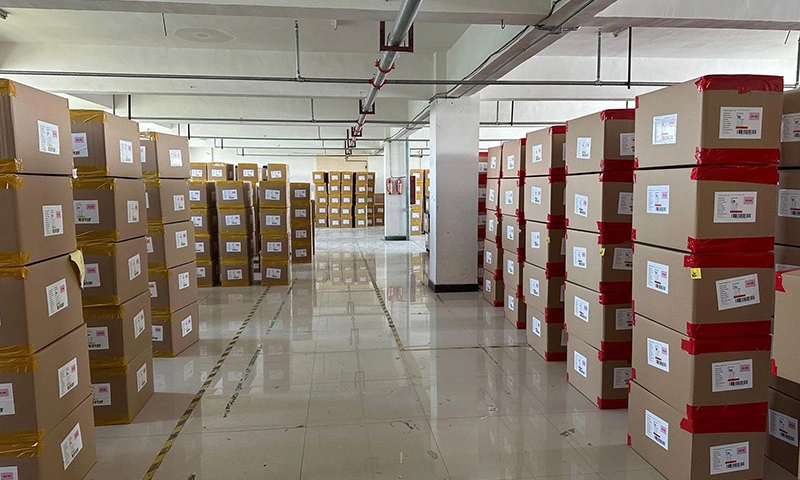
Um código de devolução torna-se útil quando analisado pela equipe de compras. "Muito pequeno" pode revelar um problema de capacidade, uma fotografia enganosa ou uma descrição pouco clara do produto. "Desconfortável" pode indicar problemas com a largura da alça ou o equilíbrio da carga. "Aparência barata" pode estar relacionado à textura do material, ao forro, ao acabamento das ferragens ou a danos causados pela embalagem. Agrupe os motivos recorrentes por SKU e inclua-os na próxima análise. Dessa forma, as devoluções de bolsas se tornam evidências para o desenvolvimento do produto, em vez de apenas uma anotação que desaparece após o reembolso.
Para discutir um pedido de forma responsável, um fabricante precisa de mais do que uma foto de referência. Prepare as dimensões desejadas, a direção do material, a faixa etária pretendida, a carga esperada, o plano de bolsos, o método de aplicação do logotipo, a gama de cores, a quantidade, a embalagem, os requisitos de inspeção e o prazo de entrega. Quanto melhor for o briefing inicial, mais fácil será comparar amostras e identificar possíveis riscos.
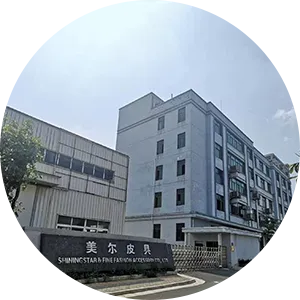
Meier Fabricamos bolsas e artigos de couro desde 2002 em uma fábrica de 15.000 metros quadrados com mais de 200 funcionários. Nossa linha de produtos abrange mochilas, bolsas de mão, carteiras, cintos, bolsas esportivas, bolsas para animais de estimação e outras categorias de bolsas de moda. A quantidade mínima de pedido (MOQ) e o prazo de entrega dependem do design, material, cor e personalização, portanto, esses valores devem ser confirmados para o pedido específico, e não estimados com base em um projeto anterior.
Equipes com desenhos, amostras de referência, quantidades-alvo ou um briefing de lançamento podem Solicite um orçamento da Meier.Enviar esse contexto no início dá à discussão uma base prática: qual amostra precisa ser testada, o que deve ser preservado na produção e o que o varejista está prometendo aos seus clientes.
Mochilas escolares não precisam de recursos desnecessários para reduzir devoluções evitáveis. Elas precisam atender às necessidades do dia a dia escolar descritas na página do produto. Para isso, é necessário: carregar a amostra, testar o acesso, verificar o conforto das alças, confirmar os materiais e ferragens, registrar os detalhes aprovados, proteger o formato na embalagem e comparar o produto final com a referência.
Nesta temporada, os consumidores estão atentos ao custo-benefício. Uma bolsa que seja tão resistente e consistente quanto aparentava online tem mais chances de permanecer em uso e não ser devolvida.
P1: O que causa a maioria das devoluções de mochilas escolares?
A1: Muitas devoluções evitáveis começam com uma incompatibilidade em termos de tamanho, capacidade útil, conforto, acesso aos compartimentos, materiais, acabamento ou formato da embalagem. Teste a amostra aprovada com uma carga escolar realista e certifique-se de que as informações na página do produto correspondam à mochila entregue.
Q2: O que os varejistas devem verificar antes de encomendar mochilas escolares?
A2: Verifique a faixa etária alvo, as dimensões, a capacidade de carga, as alças, o acesso ao zíper, o compartimento para laptop ou tablet, a disposição dos bolsos, os materiais, as costuras, os detalhes do logotipo, a embalagem, os requisitos de controle de qualidade, a quantidade mínima de pedido (MOQ) e o prazo de entrega. A bolsa deve ser testada em uso, e não apenas como um modelo de demonstração.
P3: A Meier pode fazer bolsas personalizadas para coleções de volta às aulas?
A3: Sim. A Meier oferece suporte a bolsas personalizadas OEM e ODM, desde a discussão do design e opções de materiais e acessórios, até a personalização do logotipo, amostragem, produção em massa, inspeção de qualidade, embalagem e planejamento de envio. Os compradores podem compartilhar desenhos, fotos de referência, quantidade desejada, necessidades de cores, requisitos de embalagem e prazos através de Contate-nos.
Por favor, preencha o formulário abaixo e entraremos em contato o mais breve possível.