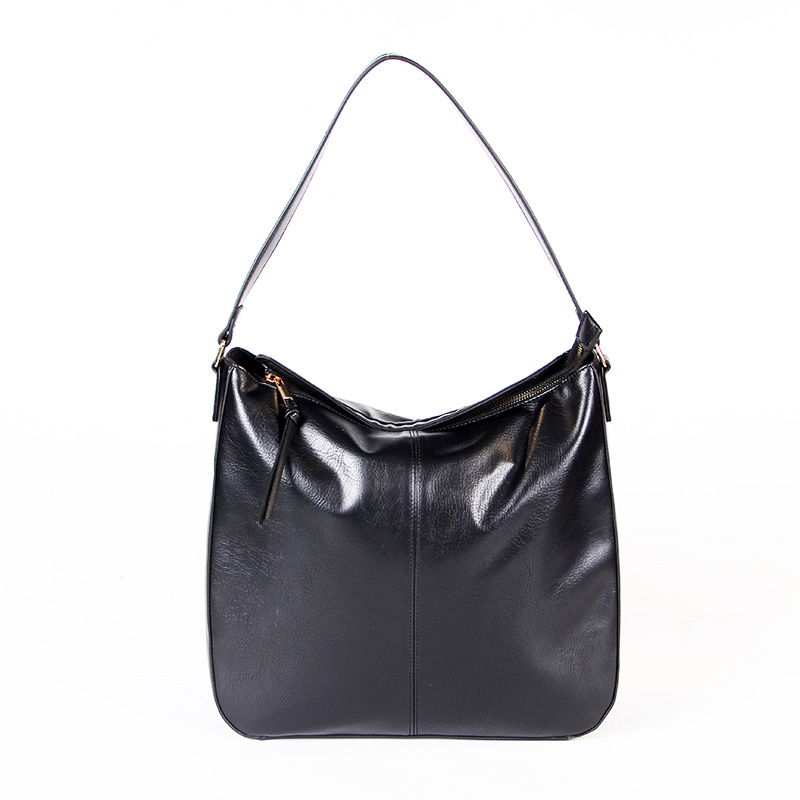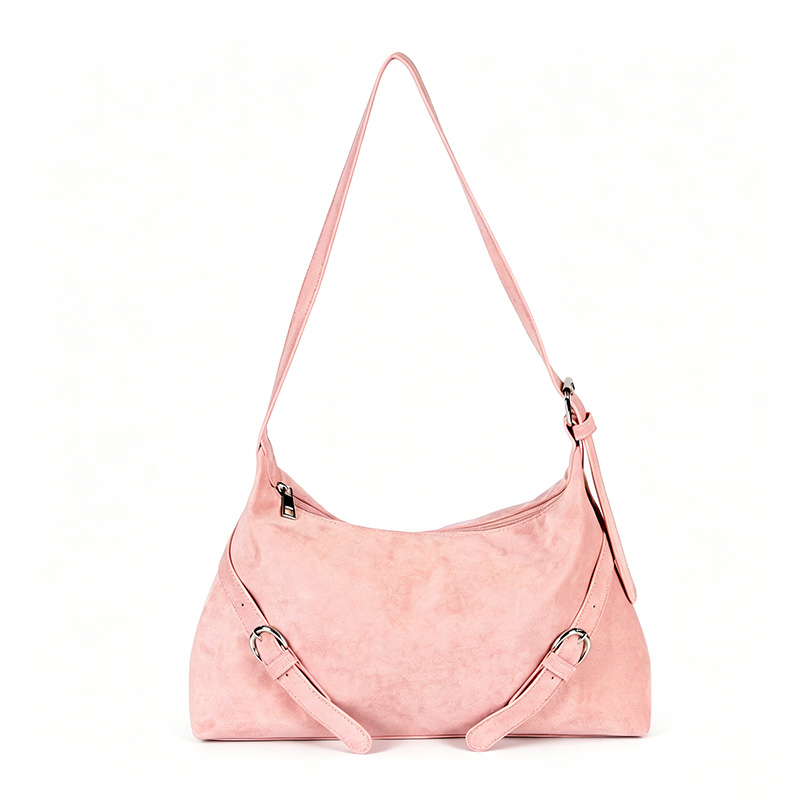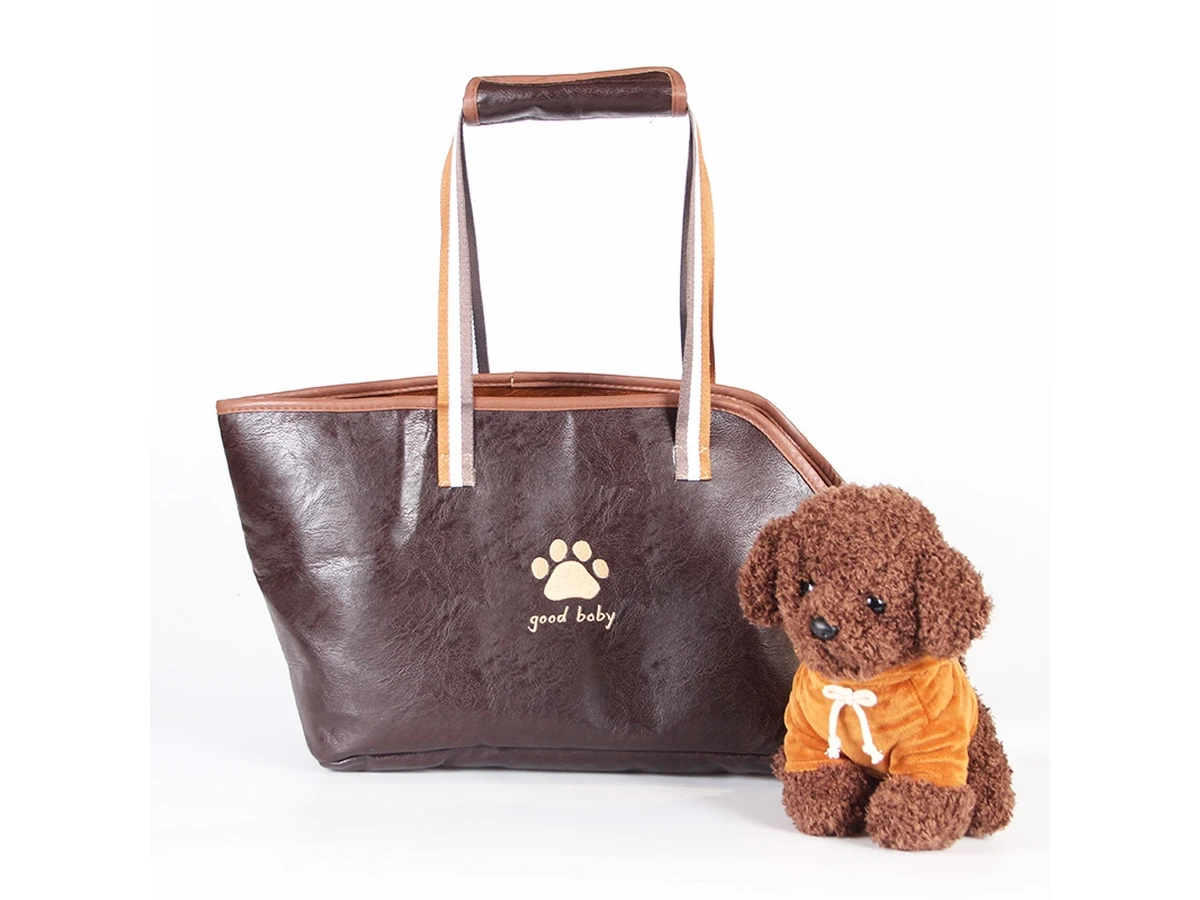
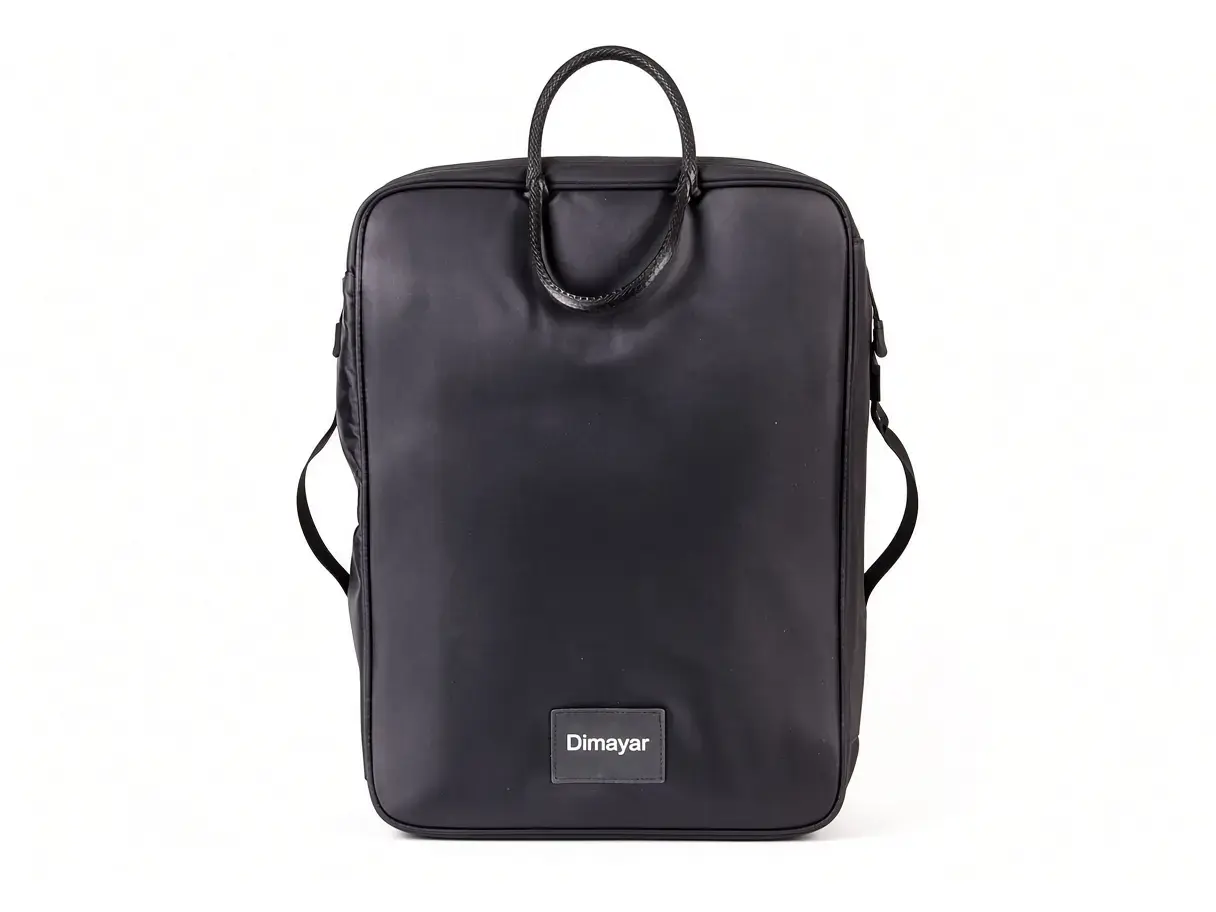
Yes, we can provide sample for checking the quality and details before bulk order.

 author
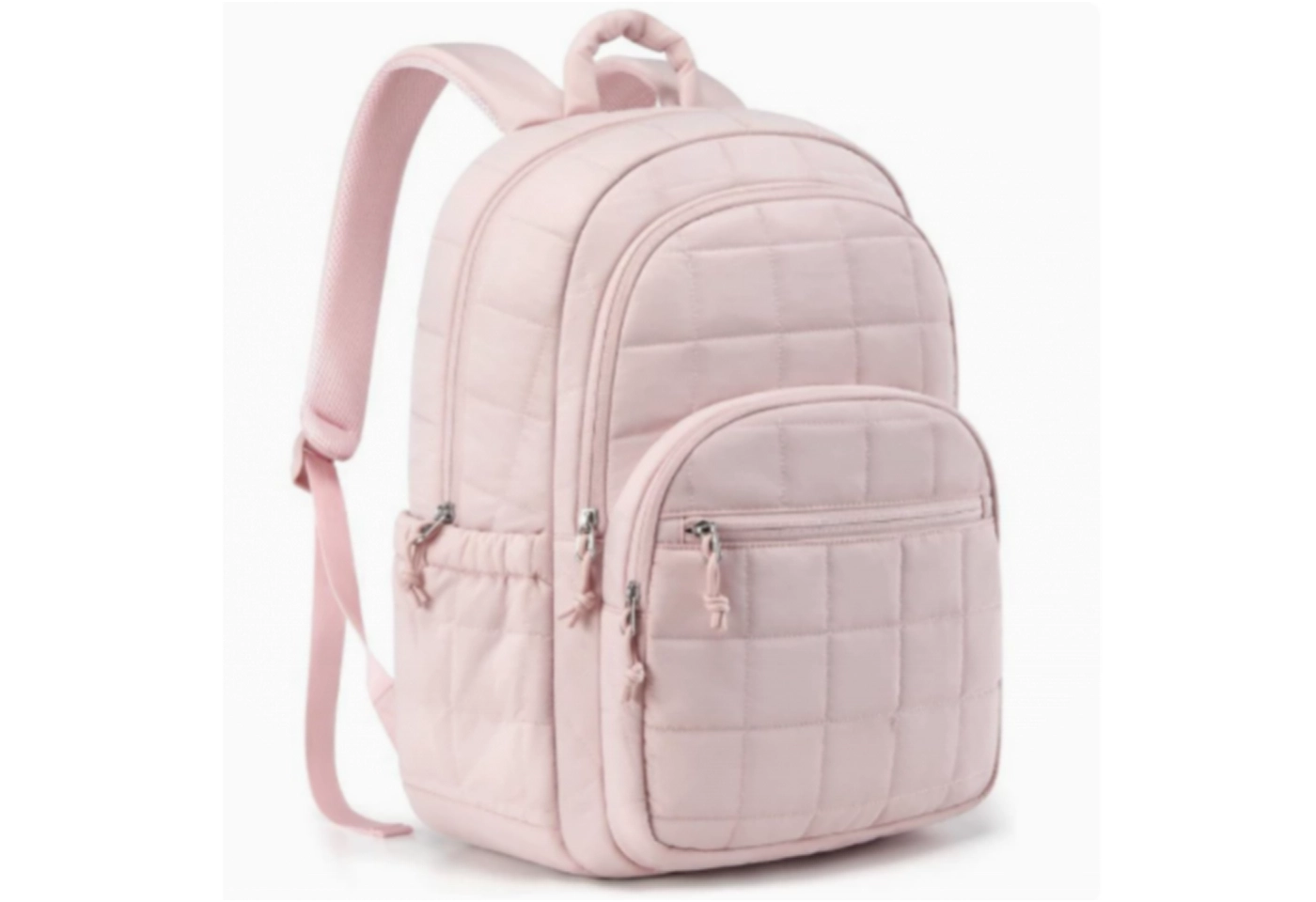
A private label travel backpack in 2026 should start with a product plan, not a logo file. Before sampling, brands need to define who will carry the bag, what they carry, how often they travel, and which details will help the product sell through its target channel.
This matters for brand owners, online sellers, distributors, and retail buyers because a nice sample photo does not always turn into stable bulk production. If the material, laptop section, pocket layout, straps, logo method, packing, and QC standard are unclear, the first sample may look acceptable while the final shipment feels inconsistent.
The safer route is to build the custom backpacks project around real use. For Meier, this means connecting existing backpack styles with material adjustment, logo work, sample checking, and bulk production control, so the buyer can move from idea to order with fewer surprises.
Many backpack projects begin with a reference photo and a question about quotation. That is understandable, but it is usually too thin for private label development. A travel backpack has to work in airports, cars, offices, classrooms, short trips, and daily commute routines. One design cannot serve every market equally well.
A travel backpack is not just a storage bag with two straps. It has to open smoothly, protect a device, carry weight without digging into the shoulder, and stay clean enough for repeated use. If the user is a business commuter, the product may need a cleaner shape, darker color, laptop padding, and a simple front pocket. If the user is a casual traveler, lighter materials and quick-access storage may matter more.
When buyers define the user first, sampling becomes easier. The sample maker is not guessing whether the bag is for work, weekend travel, school, or outdoor leisure. That saves revision time and helps the product line look more planned.
A buyer does not always need to start from a blank drawing. The Meier backpack collection gives brands several base directions, including travel laptop backpacks, PU leather backpacks, and women’s travel rucksack styles. That is useful when a buyer wants to adjust material, logo, color, pocket layout, or packaging without building every detail from zero.
Material affects appearance, weight, cleaning, water resistance, cost control, and how the product is positioned. A fabric that works well for a casual backpack may not create the right impression for a business travel line.
Polyester and nylon are common choices for travel backpack and work backpack programs because they can keep the bag light, flexible, and easier to carry. They also work well for larger color ranges, front zipper pockets, side pockets, and water-resistant daily-use designs.
For distributors and online sellers, these materials are easy to explain. A lightweight fabric backpack with padded straps and organized compartments can fit daily commute, short travel, and basic laptop carry.
A PU leather backpack is better when the product line needs a sharper business feel. Meier’s PU leather backpack uses a 39 × 15 × 29 cm structure, black color, PU material, custom printing, and custom logo support. It also allows buyers to adjust color, material, printing, and design style, with MOQ listed as 300 pieces per design and color, sample time of 10–14 days, and lead time of 40–60 days.
Those details give buyers more than a product photo. A distributor can explain the work-and-travel use, easier cleaning, PU surface, custom printing, and brandable structure. That makes the backpack easier to position as a private label business item, not just another low-cost stock bag.
Water-resistant does not mean every part of the backpack is waterproof. Buyers should check the outer material, lining, zipper position, stitching, pocket openings, and bottom structure. For most travel backpack projects, “water-resistant” or “splash-resistant” is safer than making a full waterproof claim unless the whole structure supports it.
Compartments are useful only when they match the user’s real carry habits. Too few pockets make a travel backpack feel basic. Too many pockets add sewing work, weight, and confusion. A good layout should help the end user pack quickly and find items without opening every section.
A private label travel backpack should define the laptop or tablet size early. A 14-inch device pocket is different from a 15.6-inch business laptop section. Padding, sleeve height, opening angle, and separation from the main compartment all affect how the product feels in use.
Meier’s travel laptop backpack ZBME281 suits buyers targeting daily commute and business travel. Its direction is large capacity, water-resistant polyester, padded shoulder straps, and a breathable back panel. For brands that want a stronger laptop-protection story, the anti-theft travel backpack ZBSH747-6 is more suitable for a business travel line that needs waterproofing, tear resistance, and shock-absorbing laptop protection.
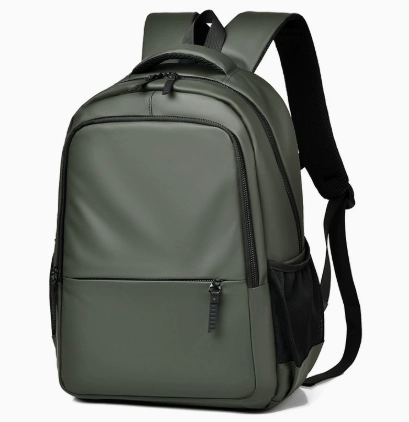
A front zipper pocket can hold chargers, cards, keys, tickets, or small travel items. Side pockets can hold bottles or umbrellas. A hidden back pocket may fit commuters who care about security. These small details often influence reviews more than buyers expect.
For online sellers, the pocket layout also needs to match the product detail page. If the product photo promises organization but the real pocket depth or laptop fit is weak, returns become harder to control. That is usually the point where better sampling notes matter more than another decorative feature.
A travel backpack is lifted, opened, worn, and placed on the floor many times. Buyers should look beyond the front view and check how the bag behaves when filled.
Shoulder straps should be wide enough, padded enough, and stitched firmly at the stress points. If the strap root is weak, the bag may look fine during sampling but create complaints after daily use. This is especially important for laptop backpacks and work backpacks, where users often carry heavier items.
For B2B buyers, strap comfort gives sales teams a real feature to explain and helps distributors move the customer away from pure cost comparison.
The top handle, main zipper, front pocket zipper, puller, buckle, and metal plate are touched constantly. During sample review, buyers should zip and unzip the bag, lift it with weight inside, check the handle edge, and look at stitching around stress areas.
Meier’s leather goods QC process includes appearance checks, craftsmanship checks, and functional testing for zippers, pockets, buckles, and straps before shipment. For buyers, this kind of inspection matters because the parts shoppers touch first are often the parts they complain about first.
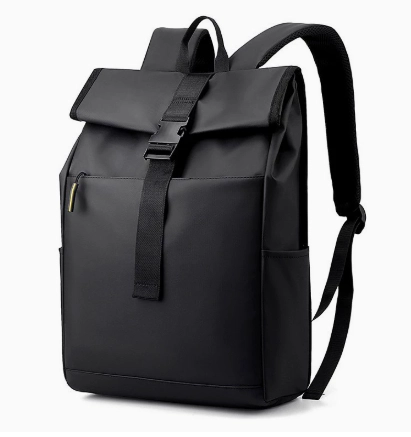
A women’s travel daypack can use a lighter body, softer decoration, and a more compact pocket layout. A business travel backpack usually needs darker colors, stronger device protection, and less visual clutter.
The women’s waterproof travel rucksack ZBCA460-1 shows how a style can serve a different market. It includes a 14-inch tablet or laptop compartment, front zipper pocket, side pockets, water-resistant nylon, sturdy handles, and floral embroidery. Those details make it easier for a buyer to build a women’s travel or light work line with a more visual product story.
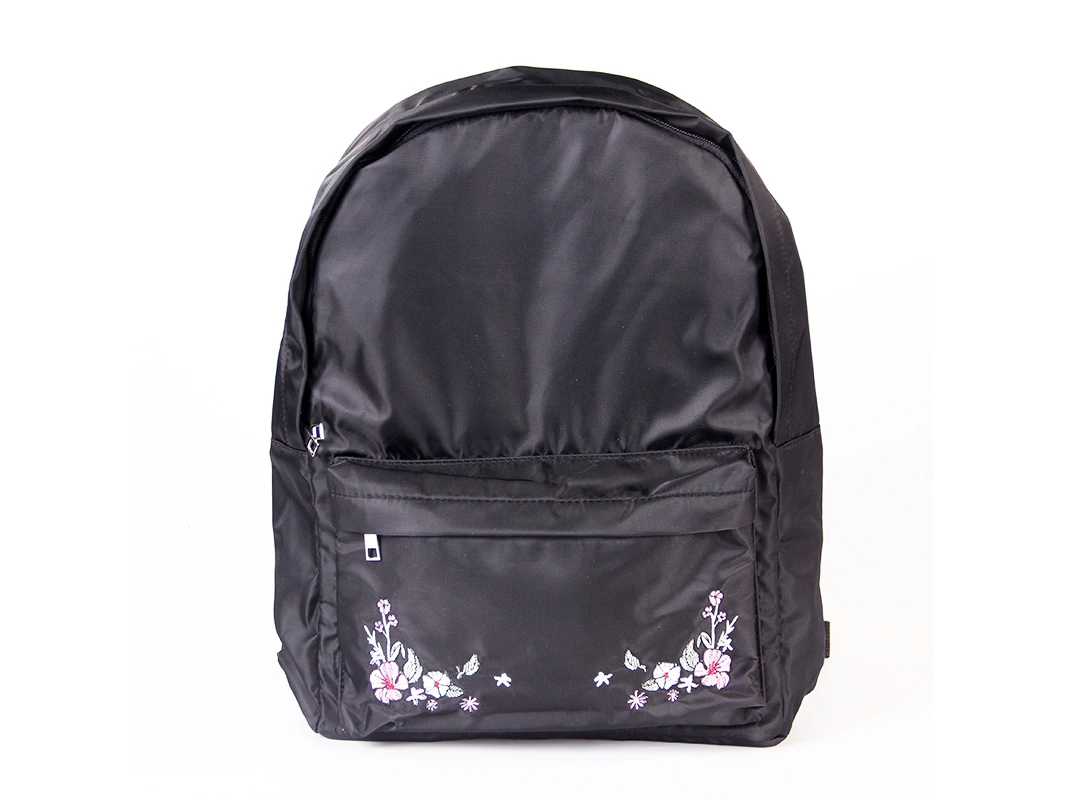
Branding should not stop at logo placement. A private label backpack looks more complete when the logo method, hardware, lining, color, label, and packaging feel connected.
Printing can work for some fabric backpacks. Embroidery can add texture to casual or women’s styles. Metal plates, embossing, or clean printing may suit PU leather or business backpacks better. The wrong logo method can make a good structure look cheaper.
Before sampling, buyers should confirm logo size, position, color, and process.
Retail buyers often need a product line, not one isolated backpack. Color cards, zipper tape, metal tone, lining color, label placement, and hangtag style all help connect the SKUs.
Meier’s OEM/ODM support can help buyers connect product style, material, logo, hardware, and packing through the custom bag service process. For brands planning repeat orders, that connection is more useful than treating each backpack as a separate one-time project.
A sample is the production reference, not just a photo for approval. Before bulk cutting starts, the buyer and supplier should agree on what cannot change.
Sample review should include dimensions, material feel, laptop fit, pocket depth, zipper smoothness, strap comfort, logo position, lining, stitching, packing, and carton information. If the backpack uses PU leather, buyers should also check surface feel, cleaning method, edge finish, and how the logo appears on the material.
Meier has 6 experienced proofing masters and supports sample development, pattern making, material discussion, and physical sample execution. This helps buyers turn a reference idea into something that can be checked before production.
A simple logo order based on an existing style is usually faster than changing the full structure, material, lining, hardware, and pocket layout. Buyers should match expectations to the depth of customization.
For private label travel backpack orders, a clear RFQ should include target size, material direction, color, logo method, quantity, packaging, market use, and sample expectations.
Bulk QC should compare the shipment with the approved sample. Material shade, zipper feel, strap stitching, logo placement, pocket layout, packing label, and carton marks should stay consistent.
Meier’s QC system covers raw material inspection, in-process checks during cutting, sewing, and assembly, finished-product inspection, and AQL random inspection before shipment. For buyers, this reduces the risk that the final order looks different from the approved sample.
A private label travel backpack in 2026 should be built around real users, real selling channels, and real production checks. Brands need to decide material, laptop protection, pockets, comfort, logo method, color, hardware, packaging, sample standards, MOQ, lead time, and QC before bulk production begins.
Meier gives buyers several backpack bases for different markets, including PU leather backpack, travel laptop backpack, anti-theft travel backpack, and women’s travel rucksack options. The value is not only in having existing styles. It is in turning those styles into a custom backpacks line with clearer materials, better product positioning, and a sample standard that bulk production can follow.
If your next travel backpack project is already moving from idea to sampling, the next step is not another vague reference photo. It is a clearer product plan. You can send Meier your backpack project details to discuss the right base style, material, logo method, sample requirements, and packing plan.
Q1: What should brands customize first in a private label travel backpack?
A1: Start with material, size, laptop compartment, pocket layout, straps, logo position, packaging, and sample approval standards.
Q2: Is PU leather suitable for a travel backpack line?
A2: Yes. PU leather can suit business travel, work commute, and gift-focused lines when weight, cleaning, logo method, and water resistance are confirmed.
Q3: Can Meier support both OEM and ODM custom backpacks?
A3: Yes. Meier can support existing-style customization and deeper OEM/ODM work, including logo, materials, hardware, samples, and packing.
Please fill out the form below and we will get back to you as soon as possible.