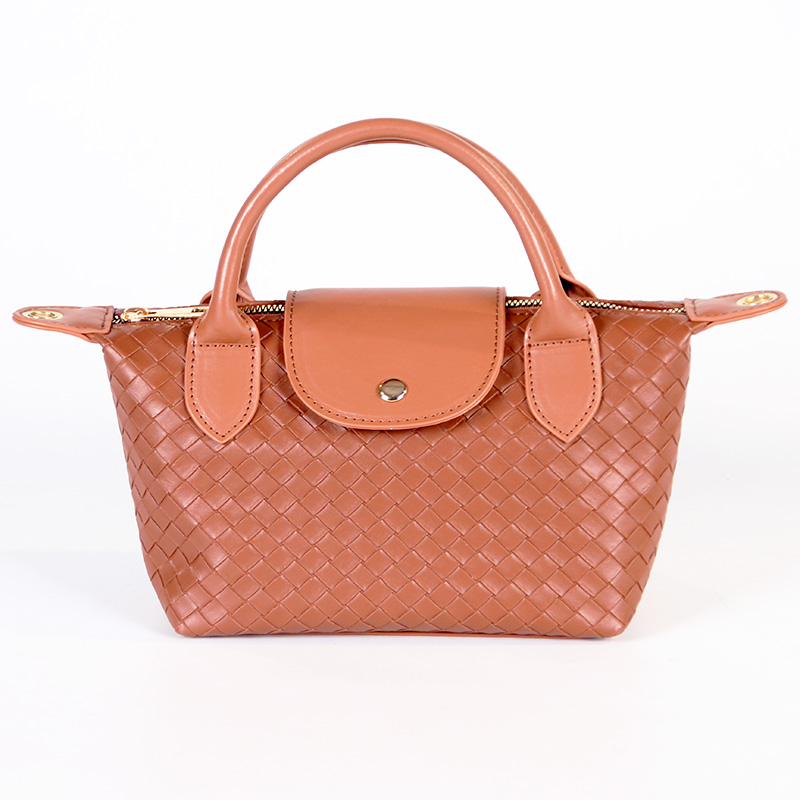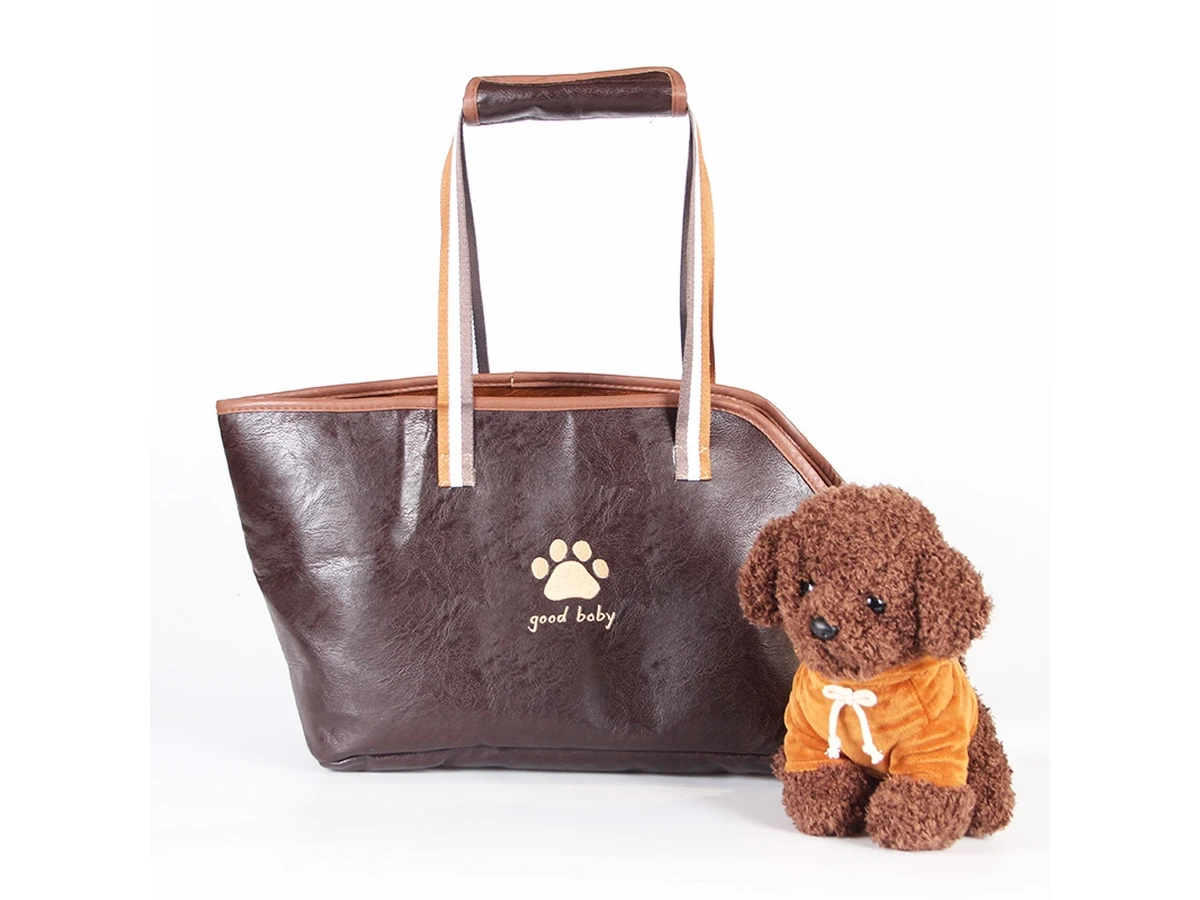
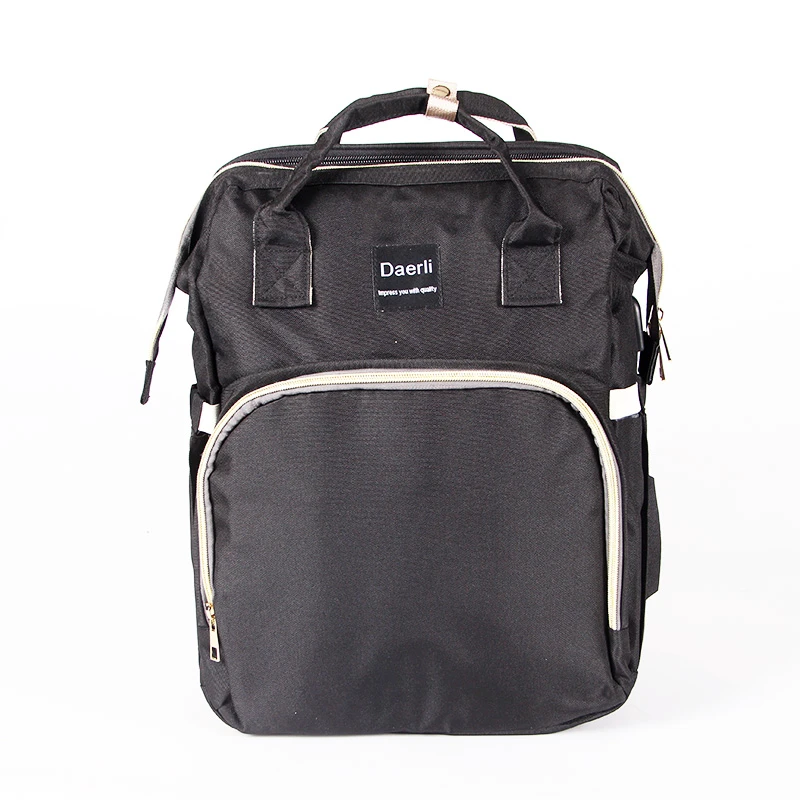
Yes, we can provide sample for checking the quality and details before bulk order.

 author
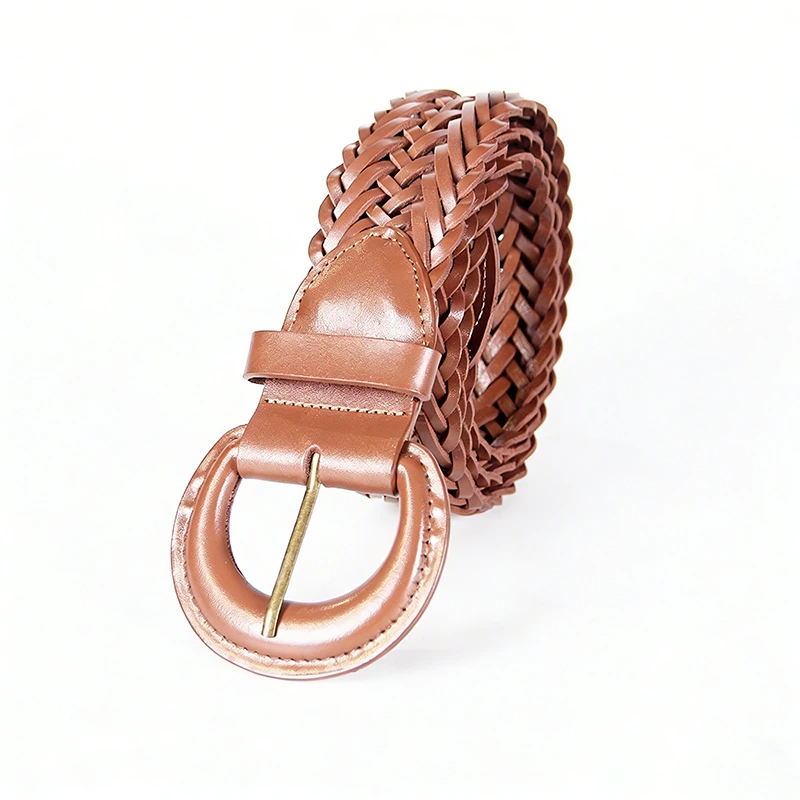
A belt order can go wrong over details that seem minor at sample stage. The strap comes back a little wider than planned. The buckle has the right shape but the wrong finish. The brown used on the buckle covering is close to the strap, but not close enough once twenty pieces are placed together.
For custom belts, these details need to be settled before bulk production. Material and overall size are only the starting point. The factory also needs the buckle reference, adjustment range, logo position, edge treatment, color standard, packing method, and an approved sample to follow.
This is especially noticeable with womens belts and custom leather belts. They are relatively simple products visually, so changes in proportion, edge work, hardware, or color tend to stand out quickly.
A reference photo is useful for showing the general direction of a belt. It does not tell the production team how wide the strap should be, how the buckle should sit, where the logo belongs, or how much adjustment the finished belt needs.
Two belts can look very similar in a picture and still feel different in hand. One may use softer PU. Another may have a heavier buckle. A braided style can also change noticeably if the weave is tighter or looser.
Start with total length, strap width, adjustment range, and the sizing system.
A flexible woven style can cover a wider fitting range. A structured leather belt may work better with defined sizes. Womens belts also vary by use. A narrow waist belt worn over a dress is not planned the same way as a wider trouser belt.
Brands can review Meier belt styles when comparing basic silhouettes, buckle directions, and material options before developing their own specifications.
The dimensions for the actual SKU still need to be fixed during sampling.
A buckle can look good on its own and still be wrong for the strap.
A large metal buckle may dominate a narrow belt. A heavier buckle can pull on softer material. A leather-covered buckle may need closer color matching because the strap and buckle sit directly beside each other.
The easiest time to catch these problems is during sampling. Fasten the belt several times. Bend the strap. Look at the buckle area from the front and back. The balance is much easier to judge on a physical sample than on a drawing.
The same belt shape can look very different depending on the material.
PU often works well for fashion collections that need closely matched colors across several SKUs. Genuine leather has more natural variation in grain and tone. That variation can be part of the design, but the acceptable range still needs to be clear before production.
For a buyer, the material name alone is not enough. The finished belt also depends on thickness, flexibility, backing, edge treatment, stitching, and the way the strap behaves around the buckle.
With genuine leather, completely identical surfaces are unrealistic. One piece may show slightly more grain than another. Tone can move as well. The buyer and factory need a practical agreement on what is acceptable for the collection.
PU gives more control over surface texture and color. That can be useful when black, brown, tan, and other shades are being developed as one range.
A small swatch still does not show everything. Once the material is cut into a full strap, it becomes much easier to judge thickness and flexibility. The buckle area is another useful check because bending and folding can change the way the material sits.
A Meier PU leather belt uses a braided PU strap with a leather-covered buckle. The reference size is 115 cm × 4.5 cm. Size, color, material, logo, and packing can be customized.
For this design, the MOQ is 300 pieces per design and color. Sample preparation normally takes 5–7 days, while bulk production is around 30–45 days. The final schedule depends on the confirmed design, material, quantity, and customization.

One belt can hide a small finishing issue. Ten belts placed next to each other usually cannot.
Check for rough trimming, visible glue, uneven edge coating, loose sections in a braid, or stitching that starts to wander. On a covered buckle, compare the buckle surface with the strap as well.
These details become more obvious on womens belts with simple color schemes. If the design is mostly brown leather and one buckle, a small color shift gets noticed quickly.
For repeat orders, keep the approved material and color references with the sample. That gives the next production run something more useful than a description such as “the same brown as last time.”
Buckles and logos often carry a large part of the visual identity of custom belts. They also involve decisions that are inconvenient to change after hardware or tooling has already been prepared.
A few millimeters of logo movement may be easy during sampling. The same change is less simple after hundreds of metal pieces have been ordered.
Take one brown strap and pair it with polished gold, matte gold, gunmetal, or a leather-covered buckle. The belt changes immediately.
Confirm the buckle dimensions, finish, color, shape, movement, and attachment before the sample is approved.
Meier can develop branded hardware, hardware colors, and logo details as part of its OEM and ODM customization service. For a collection containing several custom belts, using related hardware across multiple SKUs can also help the range look more connected.
Embossing keeps a logo relatively quiet. Metallic stamping makes it easier to see. Metal plates and separate metal letters become part of the product hardware. Other collections may work better with a fabric label or a simpler mark.
The belt material changes the result too.
A deeply textured leather surface can soften an embossed logo. Smooth PU can make the same artwork look sharper. This is why logo approval is better done on the actual sample material rather than only from digital artwork.
For custom leather belts, check the mark from normal viewing distance as well. A logo can look clear in a close-up photo and almost disappear once the belt is worn.
The approved sample needs to do more than look good.
It becomes the reference used by the people buying materials, making the product, inspecting the order, and preparing the packing. A short specification alongside the physical sample is usually enough to keep the important points together.
Measure total length, width, adjustment range, buckle size, and logo position. Check the stitching and edge work.
Then use the belt.
Open and close the buckle several times. Bend the strap. Pull gently around the buckle attachment. If the style uses a large decorative buckle, curve the belt instead of checking it only while it lies flat.
A product can look balanced on a table and feel different once the strap bends into its normal wearing position.
After approval, any further change should be recorded.
If the material changes, update the material reference. If the buckle finish changes, update the sample or hardware reference. The same applies to logo size and packing.
Meier follows a development path from design and quotation through sample confirmation, bulk production, inspection, and shipment. Keeping one clear approved version prevents older samples and newer instructions from being mixed during production.
MOQ becomes more complicated when an order is divided across colors, sizes, hardware finishes, and packaging.
A 600-piece order may sound simple. Divide it into five colors, several sizes, and two buckle finishes, and the production plan looks very different.
Before adding another color, look at what it contributes to the assortment.
Black, brown, and tan may cover the core range. One seasonal shade may add something different. Several near-identical browns can divide the production run without giving the retailer much additional choice.
Custom leather belts can require even more material control because leather lots may show natural differences.
The assortment does not need to be small, but the SKU plan needs to be settled before materials and hardware are ordered.
The second order is often where missing information becomes obvious.
A style number alone will not confirm the exact strap width, buckle finish, logo position, leather tone, or packing method.
Keep the approved sample together with the material reference, color reference, hardware details, and packing instructions. When a retailer places another order months later, those records make it much easier to reproduce the original look.
Final inspection is the point where the bulk order is compared with the approved product.
Check measurements first. Work the buckle. Look at the stitching and edges. Then place several pieces together and compare color, finish, and overall shape.
Packing and labeling need a final look as well. A belt can be correctly made and still create extra work at the warehouse if barcodes, hangtags, or packing methods vary within the shipment.
Meier uses material inspection, in-process checks, finished-product inspection, and final random inspection throughout production.
For belt orders, checks can cover dimensions, surface condition, stitching, edge finish, buckle movement, buckle attachment, logo position, color consistency, labeling, and packing.
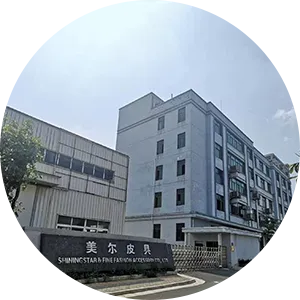
Meier operates a 15,000 m² factory with more than 200 workers and manufactures belts alongside handbags, backpacks, wallets, sport bags, and other fashion accessories. Our production and QC teams support both custom development and bulk orders.
Some belts are rolled. Others are folded, hung, or placed in retail boxes. The packing method depends on where the shipment is going next.
A large buckle pressed tightly against a softer PU leather belt can leave a mark. A retail customer may also need hangtags, barcode labels, individual bags, or specific carton quantities.
These details are easiest to handle when they are included in the order before packing begins.
Repeat production depends on keeping the small details stable.
Meier supports belt development from sampling through material sourcing, logo and hardware customization, bulk production, inspection, packing, and shipment. We also work across handbags, backpacks, wallets, sport bags, and other fashion accessory categories.
This makes it possible for brands to develop a belt as a single SKU or as part of a wider accessories collection without separating product development from production follow-up.
If your project already has a sketch, reference sample, or product concept, send the material direction, belt dimensions, buckle reference, logo method, colors, quantity, and packing requirements when you request a custom belt quotation. We can use those details to prepare the next sampling and production discussion.
Most belt quality issues are small when viewed individually. The problem comes when the same difference appears across a shipment.
A slightly different edge, a warmer buckle finish, a changed strap width, or a misplaced logo can affect how the entire range looks at retail.
For custom belts, custom leather belts, PU leather belt programs, and seasonal womens belts, the approved sample should remain the main production reference. Material, dimensions, hardware, branding, QC, and packing can then be checked against something both sides have already confirmed.
Meier supports this process from product development through bulk production, inspection, and shipment, helping brands keep new orders and repeat runs closer to the original design.
Q1: What should be included in a custom belt specification?
A1: Include material, length, width, sizing, buckle, logo, color, edge finish, packing, quantity, and key QC requirements.
Q2: Do PU and genuine leather belts need different sample checks?
A2: Yes. Grain variation, color consistency, flexibility, backing, and edge treatment need different attention for each material.
Q3: Can Meier support repeat orders for custom belts?
A3: Yes. We support sampling, material and hardware customization, bulk production, QC, packing, and repeat production for confirmed belt designs.
Please fill out the form below and we will get back to you as soon as possible.