Oui, nous pouvons fournir un échantillon pour vérifier la qualité et les détails avant une commande en gros.

 auteur
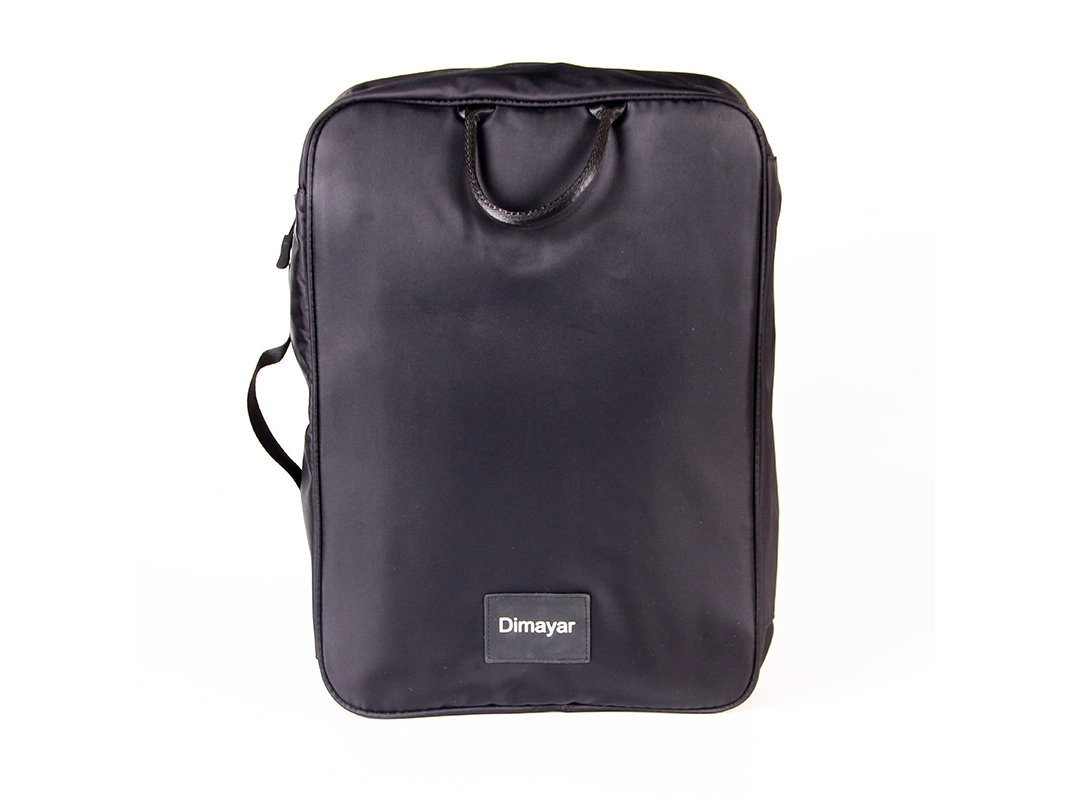
Un sac à dos imperméable est une option viable pour une marque privée en 2026, à condition que celle-ci indique clairement aux clients le niveau de protection qu'il est censé offrir. Un sac pour les trajets quotidiens sous la pluie, un sac de randonnée et un sac étanche à fermeture enroulable peuvent être vendus dans la même catégorie, mais ils nécessitent des matériaux, des coutures, des fermetures, des tests et une formulation différents.
Dans le cadre de l'approvisionnement B2B, qualifier un joli sac d'imperméable ne suffit pas à créer un programme produit fiable. Le cahier des charges doit préciser l'usage prévu, définir un niveau d'imperméabilité réaliste, garantir une fabrication reproductible et fournir une explication compréhensible par les clients sans qu'ils aient à interpréter l'affirmation.
La pluie, les éclaboussures, les trajets quotidiens sous la pluie, les activités de plein air et les voyages constituent autant de raisons pratiques pour lesquelles les acheteurs recherchent une protection contre l'eau. Ce même besoin peut justifier la commercialisation de plusieurs articles, notamment des sacs de travail pour le quotidien et des collections dédiées aux activités de plein air.
Un sac à dos urbain privilégie une silhouette épurée, un compartiment pour ordinateur portable, des surfaces faciles à nettoyer et le confort des épaules. Un modèle de voyage peut nécessiter une ouverture plus large, des poignées plus robustes et un système de rangement plus complet. Un sac à dos de randonnée imperméable met généralement l'accent sur la légèreté, les points de charge renforcés, les accessoires adaptés à l'extérieur et une fermeture résistante à la pluie.
La valeur commerciale réside dans le maintien de l'identité de marque tout en adaptant les modèles aux besoins de chaque segment de clientèle. Les marques qui examinent les silhouettes disponibles peuvent s'en inspirer. Collection de sacs à dos Meier comparer les formes, les matériaux et les scénarios d'utilisation.
Une personne se rendant au travail à pied peut se contenter d'un sac protégeant son ordinateur portable de la pluie lors d'une brève averse ; un randonneur ou un cycliste peut raisonnablement s'attendre à un niveau de protection contre les intempéries bien supérieur.
Cette distinction offre aux marques de distributeur bien plus que l'apparence comme argument de vente. Le toucher du matériau, la fermeture, l'agencement des poches, le confort de port, la facilité de nettoyage et l'imperméabilité annoncée sont autant d'éléments qui contribuent à démarquer un produit par rapport à un autre.
Le tissu extérieur ne peut à lui seul garantir l'imperméabilité. Les trous d'aiguilles, les dents et les extrémités des fermetures éclair, les coutures et autres ouvertures peuvent laisser passer l'eau, même là où le tissu extérieur la repousse.
Avant de préciser les matériaux, le cahier des charges doit indiquer si le sac est destiné à résister à une pluie légère, à des pluies torrentielles répétées, aux éclaboussures, à une utilisation extérieure prolongée en milieu humide ou à une éventuelle immersion. Sa conception pourra ensuite être adaptée à ces conditions d'exposition.
Pour l'école, les trajets domicile-travail et les voyages, une protection contre la pluie fine et les éclaboussures accidentelles est généralement suffisante. Une confection cousue classique offre également plus de possibilités en matière de poches, d'empiècements, d'éléments de style et d'organisation interne.
L'ajout de protections techniques là où les utilisateurs quotidiens n'en tireront aucun avantage peut alourdir le sac, le rendre plus rigide, complexifier sa conception et augmenter son coût. Une marque peut proposer un second sac à dos résistant à l'eau à côté d'un modèle imperméable plus technique afin de créer une nette montée en gamme.
Un sac à dos de randonnée étanche se définit par sa conception globale, et pas seulement par son tissu. Examinez le matériau extérieur, le traitement des coutures, le type de fermeture éclair ou à enroulement, la structure du fond et tous les points d'entrée potentiels pour l'eau.
Un sac cousu en polyuréthane ou en tissu enduit peut être utile sous la pluie, mais reste inadapté à l'immersion. Des spécifications plus techniques peuvent inclure des coutures étanches ou soudées, des matériaux laminés, des fermetures éclair protégées ou une fermeture à enroulement. Lorsqu'un niveau de protection spécifique est mentionné dans l'emballage, il convient de le vérifier par une méthode d'essai reconnue avant d'utiliser cette formulation.
L'échantillonnage est le moment idéal pour trancher cette question. Modifier une couture, une fermeture éclair ou une ouverture avant une commande en gros est considérablement plus facile que de gérer des réclamations concernant un contenu humide après la mise sur le marché.
Chaque canal de distribution requiert une conception différente. Le niveau de protection doit correspondre à l'usage auquel le sac à dos est destiné.
| Orientation produit | Utilisation principale | Cible de protection | Priorités clés de l'acheteur |
| navetteur quotidien | Travail, école, voyages en ville | Pluie légère et éclaboussures | Espace pour ordinateur portable, confort, nettoyage facile |
| Sac à dos de voyage | Vols et courts séjours | Résistance à la pluie | Capacité, poches, poignées, emballage |
| Sac à dos d'extérieur | Randonnée, cyclisme, camping | Exposition à la pluie plus longue | Durabilité, points de tension, fermeture |
| Pack technique étanche | Environnements humides | haute protection définie | Construction étanche, méthode d'essai |
Les modèles pour les trajets domicile-travail et les voyages sont souvent plus faciles à développer pour les programmes de marques privées, car ils permettent une plus grande variété de styles et conviennent à un usage quotidien plus large. Un sac technique étanche peut offrir des performances supérieures, mais il exige également une ingénierie et des critères de test plus rigoureux.
Le simple fait d'apposer une marque ne suffit pas à rendre un sac à dos de marque distributeur commercialement viable. Les décisions qui déterminent le produit sont prises avant même l'application du logo.
Commencez par décrire les dimensions, la capacité, l'ouverture, la largeur de la bandoulière, le panneau dorsal, la disposition des poches, l'emplacement de la poignée et la charge prévue. Ensuite, documentez les éléments qui déterminent l'étanchéité : matériau extérieur, type de fermeture éclair, traitement des coutures, construction du fond et fermeture à rabat ou à enroulement.
Lorsque le produit visé est un sac à dos de randonnée imperméable, l'échantillonnage doit refléter l'exposition aux intempéries indiquée plutôt que de se fier à une description du tissu contenant le mot « imperméable ».
Après avoir approuvé la structure, confirmez la couleur, l'impression, la méthode de logo, la finition des accessoires, la doublure, les étiquettes et l'emballage de vente au détail pour la production.
Utilisez l'échantillon lesté. Notez sa position sur les épaules, le mouvement de la fermeture éclair lorsqu'il est chargé, la stabilité de la base, la torsion des sangles et si la doublure obstrue les ouvertures.
L'essai d'étanchéité à l'eau doit correspondre à la formulation prévue. Une pulvérisation contrôlée ou une simulation de pluie peuvent mieux représenter un modèle d'utilisation quotidienne qu'une immersion, tandis qu'un produit technique peut nécessiter une méthode plus rigoureuse. L'échantillon approuvé, le cahier des charges, les exigences d'essai et la norme d'inspection en vrac doivent tous décrire la même construction.
Meier soutient le développement par le biais de Personnalisation OEM et ODM, y compris la discussion sur la conception, l'échantillonnage, la production en série, l'inspection, la personnalisation du logo, les options matérielles et la sélection des matériaux.

Meier's Sac à dos en cuir PU fournit un référentiel de développement pour une gamme de sacs à dos imperméables urbains, professionnels, de voyage ou axés sur la mode.
Ce modèle en polyuréthane mesure 39 x 15 x 29 cm. Ses dimensions, sa couleur, sa matière, son impression, son logo et ses détails de conception sont personnalisables. La fiche produit indique une quantité minimale de commande de 300 pièces par modèle et par couleur, un délai d'échantillonnage de 5 à 7 jours et un délai de livraison de 30 à 45 jours. Un emballage personnalisé est également proposé.
Ces limites offrent à l'acheteur un cadre précis pour tester une première référence. Il peut ainsi choisir le nombre de couleurs de lancement, tester un modèle avant d'élargir la gamme et définir la période d'échantillonnage en fonction de la saison des ventes prévue.

Ce modèle illustre également pourquoi il convient d'être prudent avec la terminologie relative à l'imperméabilité. Le polyuréthane (PU) peut conférer à un sac une surface facile à nettoyer et une résistance pratique à la pluie, mais le sac à dos fini doit néanmoins être évalué dans son ensemble. Une affirmation d'imperméabilité supérieure peut nécessiter un accord séparé concernant le traitement des coutures, la conception de la fermeture, les exigences relatives à l'étanchéité de la fermeture éclair ou un résultat de test précis ; rien de tout cela ne doit être présumé à partir du nom du matériau.
L'échantillon approuvé a une valeur limitée si le fournisseur ne peut pas le reproduire en série. Des modifications de couleur, de toucher de la fermeture éclair, de régularité des coutures, de solidité des articulations des sangles, d'emballage ou de choix des matériaux peuvent rendre la commande livrée sensiblement différente du premier échantillon.
Meier annonce une usine de 15 000 mètres carrés, plus de 200 ouvriers qualifiés et une capacité de production de sacs OEM/ODM. Le processus décrit par l'entreprise comprend le contrôle des matières premières à réception, l'inspection en cours de production, l'inspection des produits finis et un contrôle aléatoire final. Les acheteurs peuvent utiliser L'expérience de Meier dans le secteur manufacturier pour évaluer son adéquation à un programme d'approvisionnement continu.
Pour les sacs à dos étanches, l'aspect visuel n'est qu'un élément de la liste d'inspection. Le plan doit également aborder la régularité des coutures, le renforcement des articulations des sangles, le fonctionnement des fermetures éclair, les ouvertures, les risques d'infiltration d'eau, la forme sous charge, l'emplacement du logo, la finition des accessoires, la pression de remplissage et le test d'étanchéité convenu.
Cette approche permet de mieux concrétiser la promesse commerciale, notamment en ce qui concerne le sac à dos que reçoit le client.
C'est possible, à condition que la marque cible un groupe de clients bien défini et n'utilise pas l'étanchéité comme argument marketing fourre-tout. La gamme la plus performante harmonise le niveau de protection, l'usage prévu, le confort et l'esthétique avec un positionnement unique en magasin.
Pour un usage quotidien en ville, un sac à dos léger et résistant à l'eau sera plus approprié. Pour un usage en extérieur, un sac à dos de randonnée imperméable et plus technique sera nécessaire. Les marques qui distribuent leurs produits via plusieurs canaux peuvent utiliser les deux, à condition que la différence de caractéristiques et de prix soit clairement établie.
Avant de finaliser le produit, posez-vous trois questions : Que transportera le client ? Quel est le niveau d’humidité de l’environnement d’utilisation réel ? Quel niveau de protection le produit fini peut-il offrir de manière constante ? Grâce à ces réponses, les choix concernant les matériaux, le système de fermeture, les tests, la personnalisation et la planification des commandes seront plus faciles à gérer.
Un sac à dos étanche peut représenter une excellente opportunité de marque privée pour 2026, mais une affirmation audacieuse ne suffit pas à garantir la qualité du produit. Sa conception, son utilisation, la conformité aux normes des échantillons approuvés et les promesses de commercialisation doivent être cohérentes.
Pour une première référence, un modèle urbain ou de voyage peut offrir un bon équilibre entre style, personnalisation et protection contre les intempéries au quotidien. Les produits outdoor plus techniques exigent un contrôle plus rigoureux des coutures, des fermetures et des tests. Meier peut vous accompagner dans la conception, l'échantillonnage, la production en série et le contrôle qualité. Les acheteurs ayant une taille cible, une orientation des matériaux, un logo, une quantité et un niveau de protection souhaités peuvent demander une discussion sur les sacs à dos de marque privée avant que l'échantillon ne soit finalisé.
Q1 : Un sac à dos imperméable est-il préférable à un sac à dos résistant à l'eau pour une marque privée ?
A1 : Pas toujours. La meilleure option dépend de l’exposition à la pluie, de la clientèle cible, de la complexité de la construction, du poids et du positionnement en magasin.
Q2 : Que doivent tester les acheteurs avant de commander des sacs à dos étanches en grande quantité ?
A2 : Vérifiez les coutures, les fermetures éclair, les ouvertures, les articulations des sangles, la forme sous charge et le test d'étanchéité à l'eau qui correspond à l'affirmation prévue.
Q3 : Meier peut-il personnaliser un sac à dos imperméable pour une marque ?
A3 : Oui. Meier prend en charge la personnalisation OEM/ODM pour la taille, le matériau, la couleur, l’impression, le logo, les détails de conception, l’emballage, l’échantillonnage et la production en série.
Veuillez remplir le formulaire ci-dessous et nous vous recontacterons dans les plus brefs délais.