Waterproof Backpack: Is It a Good Private Label Product for 2026?
著者
1st 9月 2026
A waterproof backpack is a workable 2026 private-label option if the brand tells customers exactly how much protection the finished bag is meant to provide. A commuter bag for a wet walk, a hiking pack, and a roll-top dry bag may be sold in the same category, but they call for different material choices, seam construction, closures, tests, and claim language.
In B2B sourcing, calling an attractive bag waterproof does not by itself create a dependable product program. The brief needs a stated use case, an achievable protection standard, repeatable construction, and an explanation shoppers can understand without having to interpret the claim.
Why Can a Waterproof Backpack Work Well for Private Label in 2026?
Rain, spills, wet commutes, outdoor use, and travel create a practical reason for buyers to consider water protection. That same need can support several retail positions, including everyday work bags and outdoor-oriented collections.
One Product Idea Can Serve Several Channels
A city backpack can focus on a tidy silhouette, laptop storage, wipe-clean surfaces, and shoulder comfort. A travel version may call for a wider opening, more robust handles, and additional organization. A waterproof hiking backpack usually puts more emphasis on low weight, reinforced load points, outdoor hardware, and a closure that can tolerate longer exposure to rain.
The commercial value comes from keeping the family related while changing the parts that serve each customer group. Brands reviewing available silhouettes can use the マイヤーバックパックコレクション to compare forms, materials, and use scenarios.
Water Protection Creates a Clear Retail Story
Someone walking to work may only want a bag that keeps a laptop dry in a brief shower; a hiker or cyclist can reasonably expect a much higher level of weather protection.
That distinction gives private-label brands more to sell than appearance. The hand feel of the material, closure, pocket arrangement, carrying comfort, cleanability, and stated water protection can each help one SKU earn its place over another.
What Does “Waterproof” Need to Mean Before Production Starts?
The outer fabric cannot support a waterproof claim on its own. Needle holes, zipper teeth and ends, seams, and other openings can admit water even where the face fabric repels it.
Before specifying materials, the brief should state whether the bag is for light rain, repeated heavy rain, splashing, ongoing wet outdoor use, or possible immersion. The construction can then be matched to that exposure.
A Water Resistant Backpack May Be Better for Daily Retail
For school, commuting, and travel, resistance to light rain and accidental splashes is often enough. A conventional stitched build also allows more options for pockets, panels, fashion elements, and internal organization.
Adding technical protection where daily users will not benefit from it can increase weight, stiffness, sampling complexity, and cost. A brand can place a second water resistant backpack beside a more technical waterproof model to create a clear step-up in the range.
A Waterproof Hiking Backpack Needs System-Level Protection
A waterproof hiking backpack is defined by the entire build, not only by its fabric. Review the shell material, seam treatment, zipper or roll-top design, base construction, and every potential entry point for water.
A stitched PU or coated-fabric bag can be useful in rain and still be unfit for immersion. A more technical specification can include taped or welded seams, laminated materials, protected zippers, or a roll-top closure. Where a specific protection level appears in the retail claim, confirm it through an agreed test method before using that wording.
Sampling is the right time to settle that question. Changing a seam, zipper, or opening before a bulk order is considerably easier than resolving complaints about wet contents after launch.
Which Product Direction Gives Private-Label Buyers the Best Balance?
Each sales channel calls for a different construction. The protection level needs to reflect the actual task the backpack is sold to perform.
Product direction
Main use
Protection target
Key buyer priorities
Everyday commuter
Work, school, city travel
Light rain and spills
Laptop space, comfort, easy cleaning
Travel backpack
Flights and short trips
Rain resistance
Capacity, pockets, handles, packing
Outdoor backpack
Hiking, cycling, camping
Longer rain exposure
Durability, stress points, closure
Technical waterproof pack
Wet environments
Defined high protection
Sealed construction, test method
Commuter and travel models are often easier for private-label programs to scale because they permit more style variation and suit broader daily use. A technical waterproof pack can carry a stronger performance position, but it also requires more exact engineering and test criteria.
What Should Buyers Customize Before Approving a Sample?
Branding alone does not make a private-label backpack commercially useful. The decisions that determine the product happen before the logo is applied.
Lock the Structure Before Cosmetic Details
Begin with the dimensions, capacity, opening, strap width, back panel, pocket arrangement, handle location, and expected load. Then document the elements that determine water entry: outer material, zipper type, seam treatment, bottom construction, and any flap or roll-top closure.
When the intended product is a waterproof hiking backpack, sampling should reflect the stated weather exposure rather than rely on a fabric description containing the word waterproof.
After approving the structure, confirm the color, print, logo method, hardware finish, lining, labels, and retail packing for production.
Treat the Sample as a Production Reference
Use the sample with weight in it. Note its position on the shoulders, zipper movement when loaded, base stability, strap twisting, and whether the lining obstructs the openings.
The water test should match the planned wording. Controlled spray or rain simulation may better represent a daily-use model than immersion, while a technical product may warrant a stricter method. The approved sample, written specification, test requirement, and bulk inspection standard should all describe the same construction.
Meier supports development through OEM and ODM customization, including design discussion, sampling, bulk production, inspection, logo customization, hardware options, and material selection.
How Does Meier’s PU Backpack Fit a Private-Label Program?
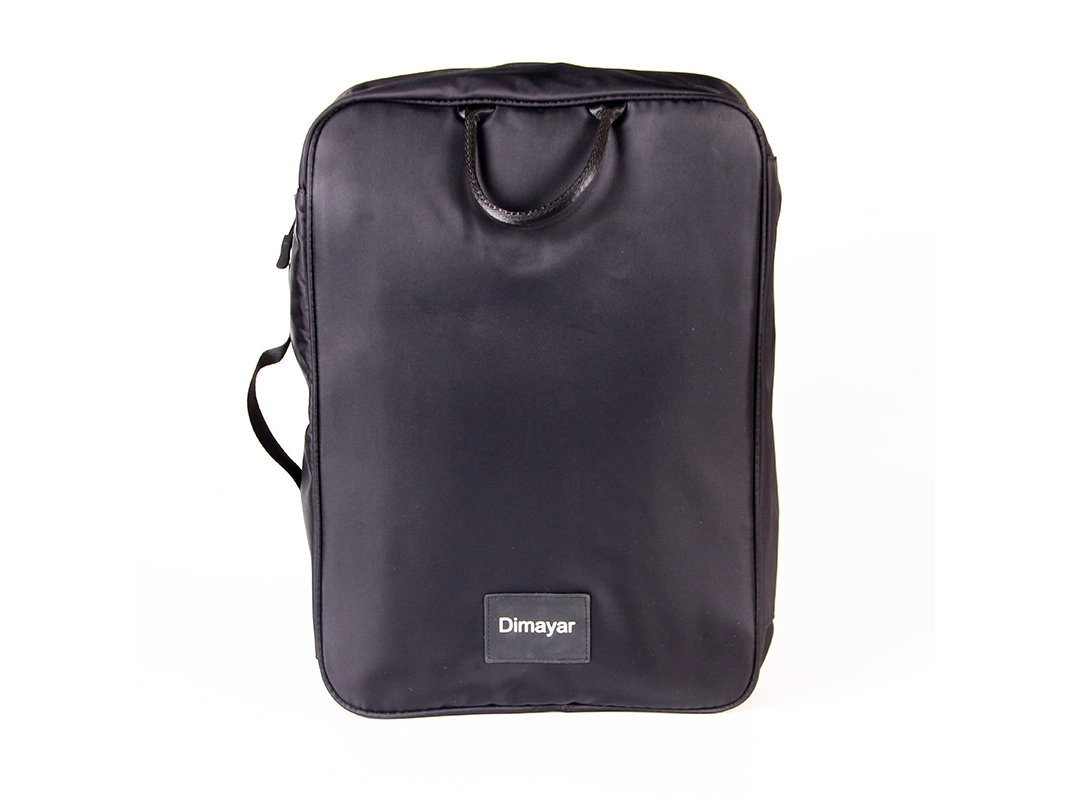
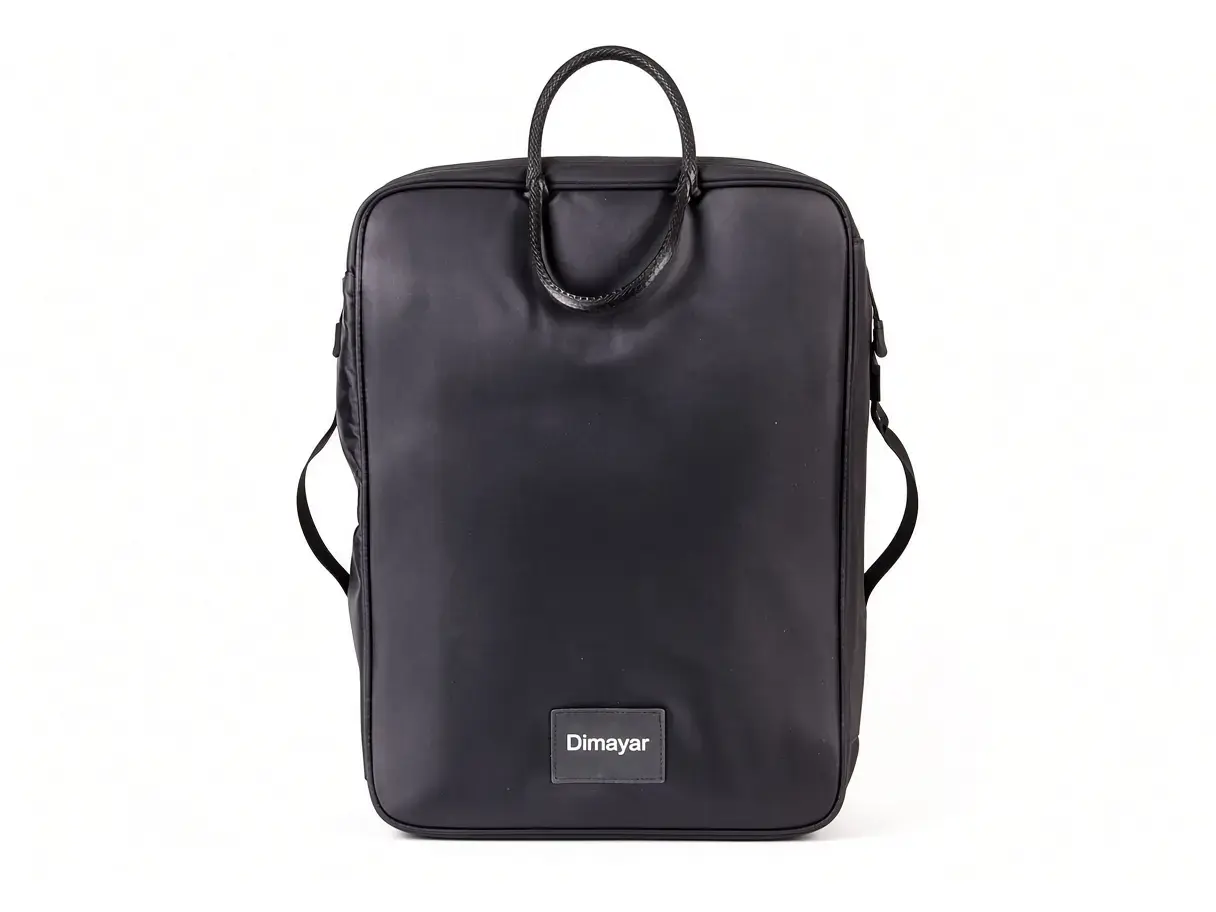
マイヤーの PU leather Backpack provides a development reference for an urban, work, travel, or fashion-led waterproof backpack range.
This PU model is listed at 39 x 15 x 29 cm. Its size, color, material, printing, logo, and design details are customizable. The product page states an MOQ of 300 pieces for each design and color, a 5-7 day sample period, and a 30-45 day lead time. Custom packing is also offered.
Those limits give a buyer a concrete frame for testing a first SKU. They can choose the number of launch colors, test one design before extending the range, and place the sampling window against the intended sales season.
The model also illustrates why waterproof wording needs care. PU can give a bag an easy-clean surface and practical rain resistance, but the finished backpack still has to be assessed as a complete construction. A higher waterproof claim may require separate agreement on seam treatment, closure design, waterproof zipper requirements, or a defined test result; none should be assumed from the material name.
Why Does Supplier Control Matter for Repeat Orders?
The approved sample has limited value when a supplier cannot reproduce it in bulk. Changes in color, zipper feel, stitching consistency, strap-joint strength, packing, or material selection can leave the delivered order noticeably different from the first sample.
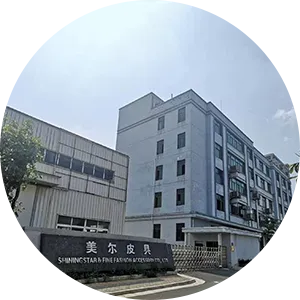
Meier reports a 15,000-square-meter factory, more than 200 skilled workers, and OEM/ODM bag production capability. The company’s stated process covers incoming-material checks, in-process inspection, finished-product inspection, and final random inspection. Buyers can use Meier’s manufacturing background to judge its fit for an ongoing sourcing program.
Build QC Around the Failure Points Customers Notice
For waterproof backpacks, visual appearance is only one item on the inspection list. The plan should also address seam consistency, strap-joint reinforcement, zipper operation, openings, water-entry risks, loaded shape, logo placement, hardware finish, packing pressure, and the agreed water test.
That approach keeps the retail promise closer to the backpack a customer receives.
Is a Waterproof Backpack the Right 2026 Product for Your Brand?
It can be, provided the brand has a defined customer group and does not use waterproof as a catch-all feature. The strongest range aligns the protection level, intended use, comfort, and visual direction with one retail position.
A daily city line may benefit more from a lighter water resistant backpack. An outdoor range may require a more technical waterproof hiking backpack. Brands selling to several channels can use both, provided the difference in features and retail value is clear.
Ask three questions before finalizing the product: What will the customer carry? How wet is the actual use environment? What protection can the completed construction deliver consistently? With those answers, the choices around material, closure, testing, customization, and order planning become more manageable.
結論
A waterproof backpack can be a sound private-label opportunity for 2026, but a bold claim does not make the product stronger. The construction, use case, approved sample standard, and retail promise have to agree.
For a first SKU, an urban or travel model may balance style, customization, and everyday weather protection. More technical outdoor products call for closer control of seams, closures, and testing. Meier can support design discussion, sampling, bulk production, and QC. Buyers with a target size, material direction, logo plan, quantity, and protection requirement can request a private-label backpack discussion before the sample is finalized.
よくある質問
Q1: Is a waterproof backpack better than a water resistant backpack for private label?
A1: Not always. The better option depends on rain exposure, target customer, construction complexity, weight, and retail positioning.
Q2: What should buyers test before ordering waterproof backpacks in bulk?
A2: Check seams, zippers, openings, strap joints, shape under load, and the water test that matches the intended claim.
Q3: Can Meier customize a waterproof backpack for a brand?
A3: Yes. Meier supports OEM/ODM customization for size, material, color, printing, logo, design details, packing, sampling, and bulk production.